
Apr 19, 2026

In the complex field of industrial imaging, selecting the appropriate detector technology is the most critical step for achieving system success. As engineering teams work to integrate advanced sensing into manufacturing lines, the decision often comes down to two primary technologies: the VOx sensor and the InGaAs sensor. Understanding their distinct physical characteristics and operational performance is essential for optimizing any high-precision thermal or spectral imaging system.
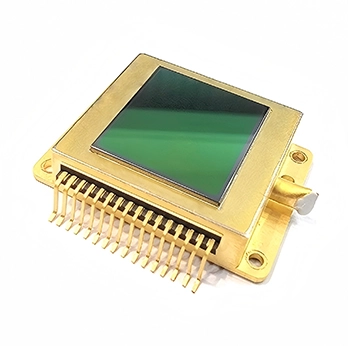
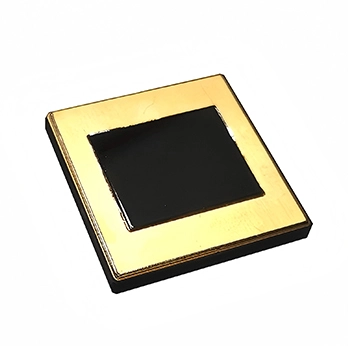
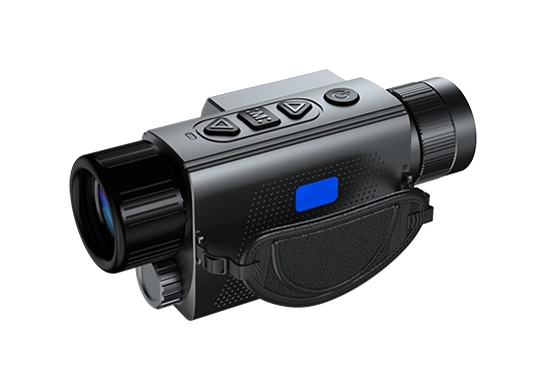
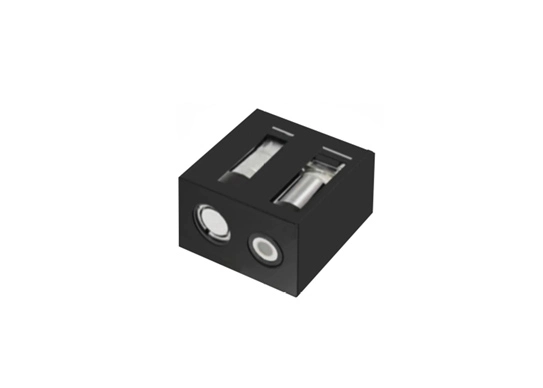
A vanadium oxide sensor, often known as a microbolometer, is a thermal imaging component that detects long-wave infrared (LWIR) radiation. These sensors rely on a thin film of vanadium oxide that changes its electrical resistance when exposed to heat, allowing the system to map thermal radiation emitted by objects at ambient temperatures. Because they are "uncooled," these detectors operate reliably without the need for complex, energy-consuming cryogenic cooling systems, making them a staple in high-reliability thermal imaging.
.jpg "/uploads/image/2026/06/23/vox-vs-ingaas-a-guide-to-selecting-the-right-infrared-detector (2).jpg")
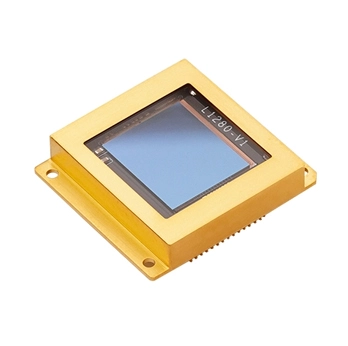
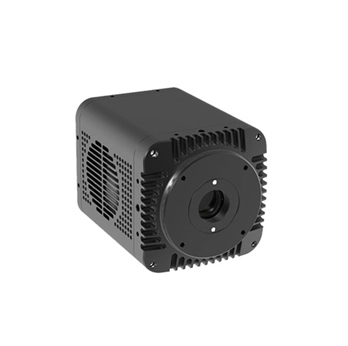
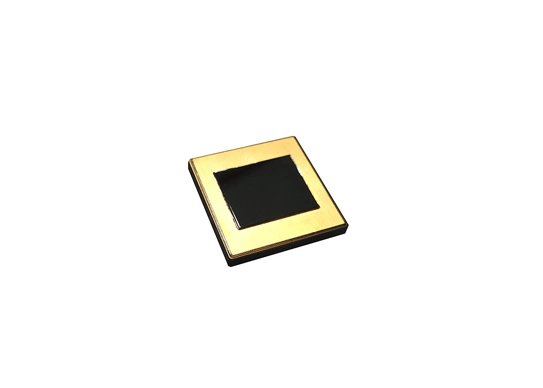
An InGaAs sensor (Indium Gallium Arsenide) operates on a completely different principle. Unlike thermal detectors, an InGaAs sensor acts as a photon detector, primarily capturing short-wave infrared (SWIR) light that is reflected off the surface of objects. These sensors provide exceptional sensitivity and high-speed response times, making them highly effective for imaging applications that require high resolution or the ability to see through specific materials that are opaque to standard visible-light cameras.
The fundamental difference between these two technologies is how they interpret the environment. The following comparison highlights the core distinctions:
| Feature | VOx Sensor | InGaAs Sensor |
|---|---|---|
| Spectral Range | 8–14 microns (LWIR) | 0.9–1.7 microns (SWIR) |
| Detection Mode | Emitted thermal radiation | Reflected light photons |
| Operating State | Uncooled | Often uncooled or TE-cooled |
| Primary Utility | Temperature mapping & thermal security | Material analysis & machine vision |
Because the vanadium oxide sensor focuses on the 8–14 micron range, it is inherently designed to measure heat signatures. In contrast, the InGaAs sensor focuses on a shorter wavelength range, which provides data closer to the characteristics of visible light, enabling detailed inspection of surface textures, moisture levels, and chemical signatures.
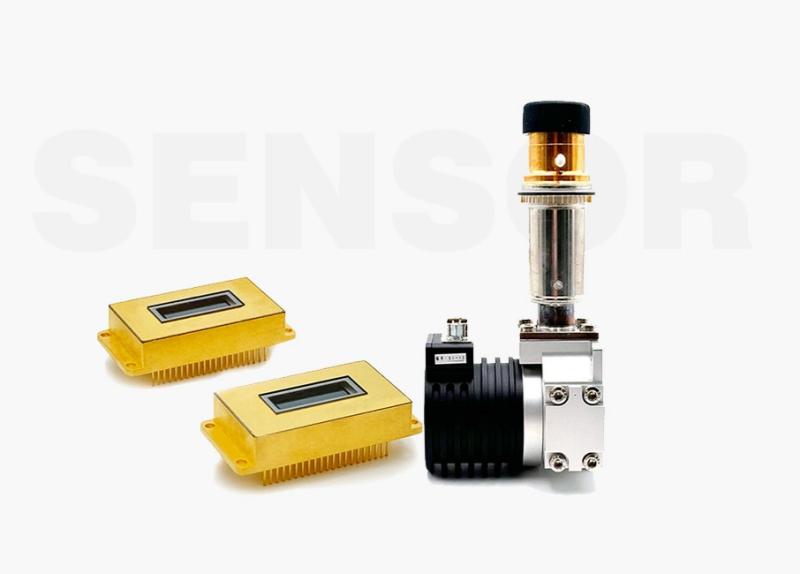
The vanadium oxide sensor excels in longevity and stability. Its design eliminates mechanical moving parts associated with cooling, which leads to a long operational lifespan and high performance across a wide industrial temperature range. However, because it is a thermal detector, it does not provide the same level of fine surface detail as photon-based detectors. For those developing thermal mapping systems, please explore our vanadium oxide uncooled focal plane arrays to see how these components provide stable thermal imaging for predictive maintenance and fire safety.
The InGaAs sensor offers the advantage of superior image clarity and speed, particularly in high-speed line scanning environments. Its photon-counting nature allows for "high-resolution" results that are highly sought after in semiconductor inspection and food quality grading. The trade-off is often a narrower spectral focus compared to broad-spectrum thermal imaging, and the sensors may require more specific light-source integration to perform optimally in total darkness.
Selection should be based on your primary industrial requirement: temperature monitoring or physical material inspection.
Choose a vanadium oxide sensor if: Your goal is non-contact temperature measurement, predictive maintenance of electrical machinery, or 24/7 security monitoring where thermal contrast is the priority.
Choose an InGaAs sensor if: Your application requires high-speed line scanning, inspection of chemical composition, medical diagnostics requiring tissue penetration, or precision sorting in automated manufacturing.
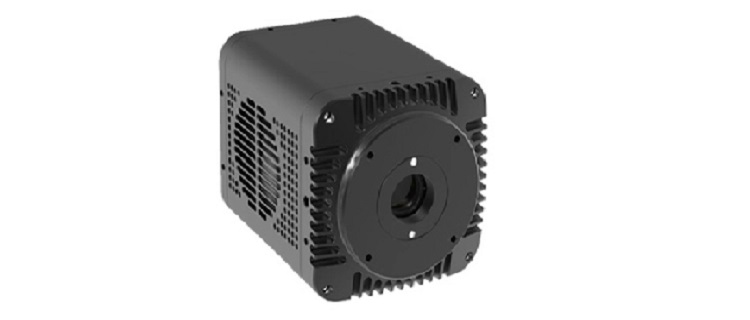
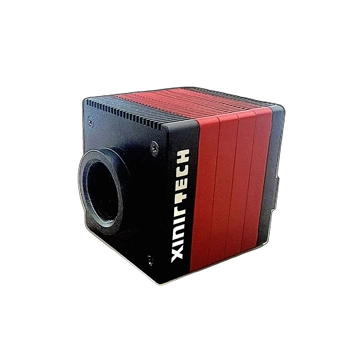
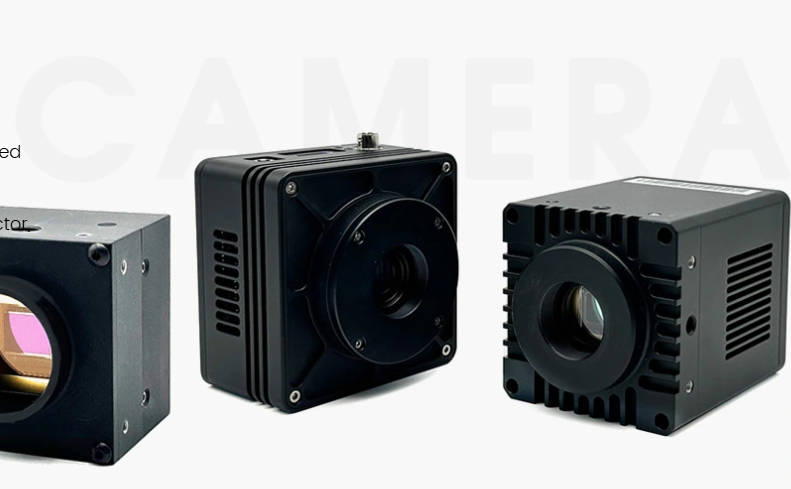
For complex integration tasks, SYTO Photonics provides high-performance hardware, including our dedicated Infrared Camera solutions, which are engineered to integrate seamlessly into your existing industrial architecture.
Choosing the right detector is not just about the technical specs—it is about the reliability of the system in the field. SYTO Photonics recommends a vanadium oxide sensor for customers who prioritize long-term stability and cost-efficient thermal management without the need for active cooling. We recommend an InGaAs sensor for clients whose manufacturing processes demand high-speed responsiveness and high-resolution detection of material-specific characteristics. By leveraging our experience in industrial photonics, we ensure that every system is built for accuracy, vibration resistance, and high-degree reliability.
Whether you are implementing a thermal safety system or a precision machine vision pipeline, understanding the differences between a vanadium oxide sensor and an InGaAs sensor is the key to an effective design. While VOx technology provides the thermal stability and reliability required for monitoring heat, InGaAs technology offers the photonic sensitivity and detail needed for granular inspection. By matching the detector's physical mechanism to your specific industrial task, you ensure that your imaging system remains a powerful, reliable asset for your business.
1. Is an InGaAs sensor better than a VOx sensor?
Neither is universally "better." The InGaAs sensor is superior for high-speed material inspection and surface detail, while the vanadium oxide sensor is superior for thermal mapping and long-term temperature monitoring.
2. Does a vanadium oxide sensor require maintenance?
Because they are uncooled, vanadium oxide sensors are highly durable and typically require minimal maintenance compared to systems that rely on mechanical cryogenic coolers.
3. What is the spectral range of an InGaAs sensor?
A standard InGaAs sensor typically operates in the 0.9–1.7 micron range, though extended versions can cover the 0.4–1.7 micron range.
4. Can SYTO help me select the right detector for my specific application?
Yes, SYTO Photonics provides tailored system integration services and expert recommendations to ensure our vanadium oxide sensors or InGaAs sensors meet the precise demands of your industrial environment.