
Jul 06, 2026

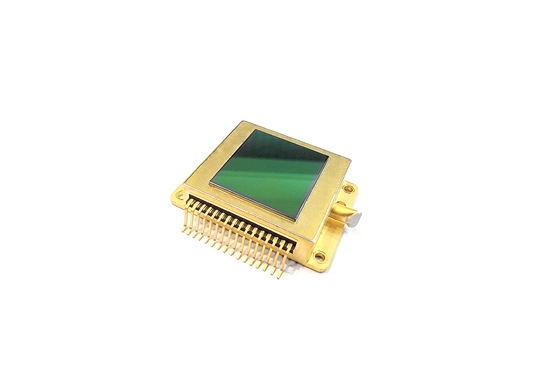
VOx microbolometer technology has become a cornerstone of modern infrared imaging systems. As a key sensing mechanism in uncooled thermal cameras, it enables reliable temperature detection and imaging in complete darkness, smoke, fog, and other challenging environments.
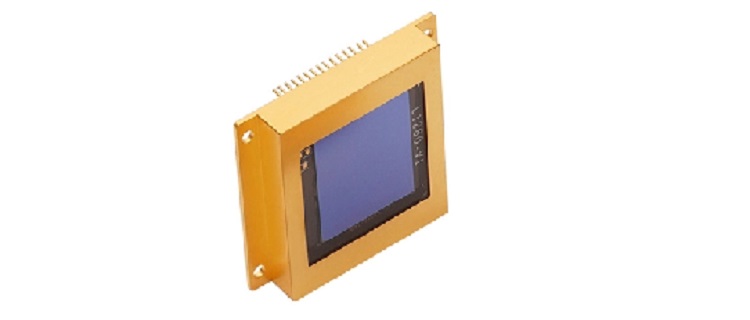
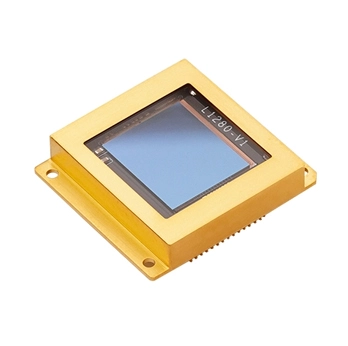
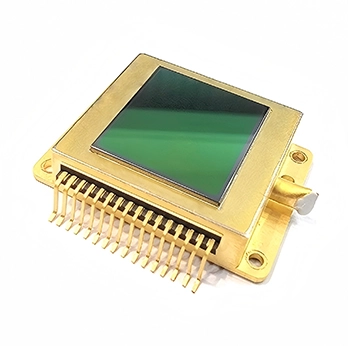
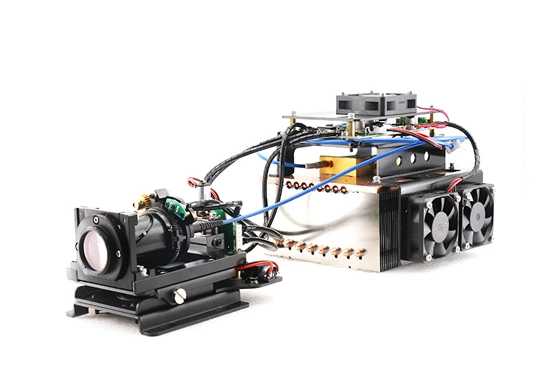
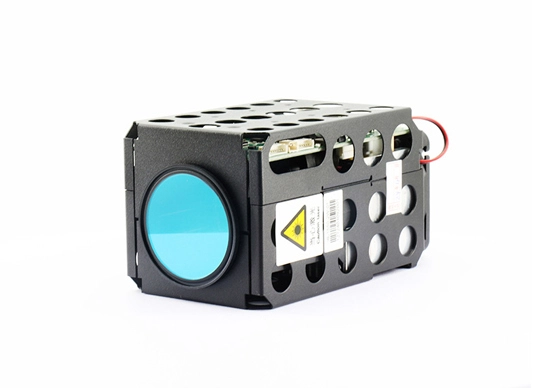
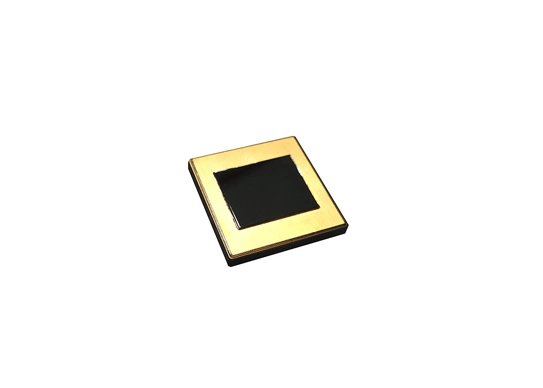
In recent years, infrared imaging has expanded rapidly across defense, industrial automation, and security markets. Within these applications, infrared sensing architectures based on a vox detector play an essential role in converting infrared radiation into usable electrical signals, while vox microbolometer arrays provide the imaging foundation for high-performance thermal systems.
Companies such as SYTO Photonics continue to refine this technology, focusing on improving sensitivity, stability, and integration efficiency for next-generation infrared applications.
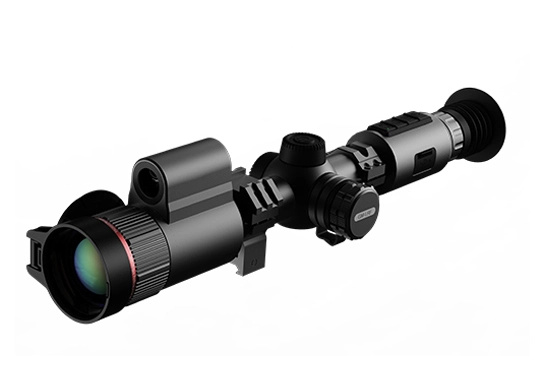
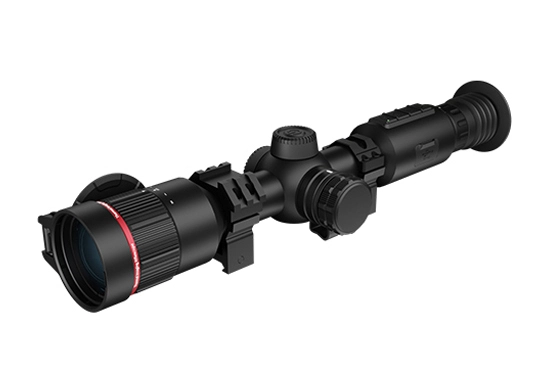
Modern defense operations rely heavily on thermal imaging for situational awareness. Infrared systems built around a vox detector structure enable operation without external illumination, making them highly effective in stealth and reconnaissance missions.
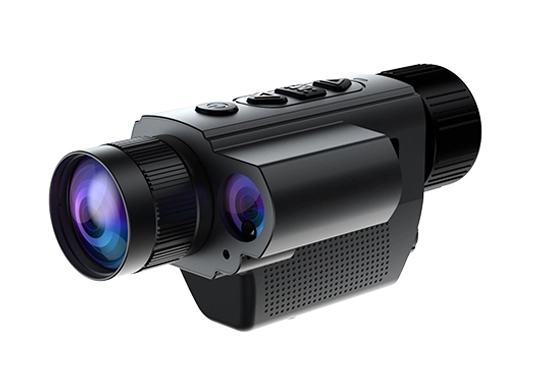
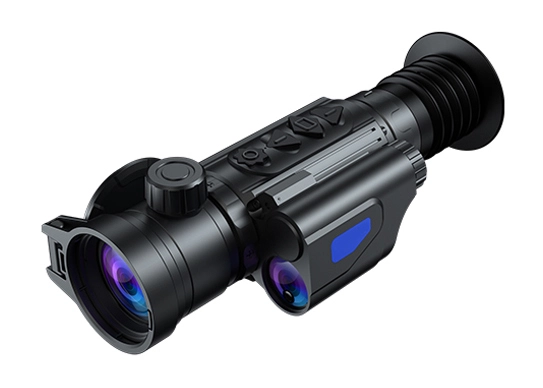
A typical vox microbolometer-based system supports long-range observation of vehicles, personnel, and terrain features. Because it responds to heat differences rather than visible light, it remains effective in smoke, fog, and low-visibility environments.
In practical deployments, thermal imaging systems based on this technology are used for border surveillance, target tracking, and perimeter defense. Manufacturers such as SYTO Photonics design advanced infrared modules that enhance detection accuracy and thermal stability in extreme field conditions.
These systems are particularly valuable in scenarios where traditional optical imaging fails, ensuring continuous monitoring under all environmental conditions.
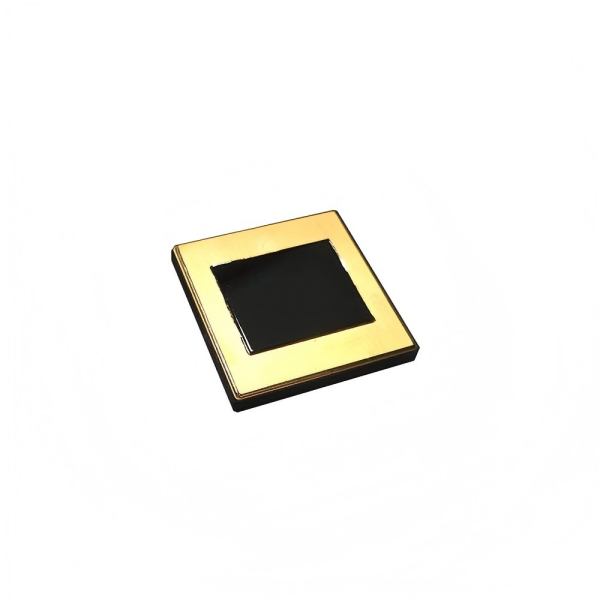
In industrial environments, thermal monitoring is critical for preventing equipment failure and ensuring operational safety. Infrared imaging systems using a vox microbolometer allow engineers to observe temperature variations without physical contact.
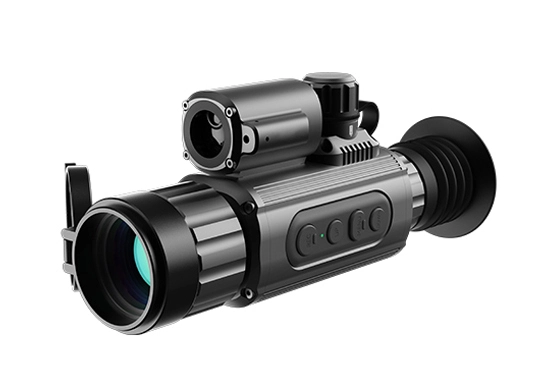
This capability is widely used in electrical inspection, mechanical diagnostics, and production line monitoring. By integrating a vox detector into thermal inspection systems, industries can detect overheating components before they lead to costly downtime.
Predictive maintenance is one of the most important applications. Subtle thermal anomalies often indicate wear, poor connections, or mechanical stress. With the help of infrared imaging solutions developed by SYTO Photonics, these issues can be identified early and addressed proactively.
Over time, this improves efficiency, reduces maintenance costs, and enhances overall system reliability.
Security systems today must operate reliably in all lighting and weather conditions. Infrared imaging based on a vox detector provides a significant advantage because it does not rely on visible light.
In complete darkness, thermal cameras can still detect human presence through heat signatures. This makes them ideal for perimeter security, critical infrastructure protection, and transportation hubs.
A vox microbolometer enables consistent imaging performance even in environments affected by rain, fog, or glare. Unlike traditional cameras, it maintains detection capability regardless of lighting variations.
Security solutions developed by SYTO Photonics integrate this sensing technology into compact, intelligent monitoring systems used in smart city infrastructure and AI-assisted surveillance platforms.
As a result, thermal imaging has become a core component of modern security architectures.
Emergency response teams rely on thermal imaging to operate safely in hazardous environments. A vox microbolometer enables firefighters to see through dense smoke and locate heat sources quickly.
This technology is widely used in search and rescue operations, allowing responders to detect trapped individuals, identify fire hotspots, and assess structural risks in real time.
Portable thermal cameras equipped with a vox detector provide critical situational awareness in environments where visibility is extremely limited. Because these systems do not require cooling mechanisms, they remain lightweight and easy to deploy in the field.
Solutions developed by SYTO Photonics are engineered for durability and high thermal sensitivity, ensuring reliable performance in high-temperature and high-impact environments.
In emergency scenarios, thermal imaging often becomes the difference between uncertainty and life-saving clarity.
Selecting an appropriate thermal imaging component depends heavily on the intended application. Key factors such as resolution, thermal sensitivity, frame rate, and operating environment all influence overall system performance. A VOx microbolometer used in industrial inspection scenarios can differ significantly from those designed for defense-grade imaging systems, particularly in sensitivity, durability, and real-time response capability.
To better understand these differences, the following comparison provides a more detailed overview of typical configurations across major application levels:
| Performance Parameter | Entry-Level Infrared Sensor | Industrial Thermal Module | Defense / High-End Infrared System |
|---|---|---|---|
| Resolution | 80×60 – 160×120 (low-resolution array) | 320×240 (standard industrial grade) | 640×512 and above (high-resolution array) |
| Thermal Sensitivity (NETD) | 50–100 mK (typical range) | ≤40–50 mK | ≤20–40 mK (high-sensitivity design) |
| Frame Rate (Output Rate) | 9–30 Hz (export/power-limited variants) | 30–60 Hz (standard industrial real-time) | 60 Hz and above (high-speed imaging system) |
| Operating Conditions (Detector Level) | 0°C to +50°C (basic environmental suitability) | -20°C to +70°C (industrial wide-temperature grade) | -40°C to +75°C (ruggedized / field-grade operation) |
| Typical Application Scenarios | Basic monitoring, consumer electronics, simple security | Industrial inspection, condition monitoring, predictive maintenance | Long-range detection, border surveillance, night vision, scientific imaging |
Beyond these specifications, system integration requirements, environmental robustness, and long-term operational stability are equally important when narrowing down the right solution. In many real-world projects, the performance of a vox detector is not determined by a single parameter, but by how well the entire imaging system aligns with operational demands.
For application-specific selection guidance and customization support, detailed product information can be explored.
If technical consultation or project-level assistance is required, direct support is available via.
The engineering team can assist with integration planning, performance matching, and system optimization to ensure the selected vox microbolometer solution meets both technical and environmental requirements.
Infrared imaging technology has become indispensable across defense, industrial, and security applications. At the core of these systems, the vox detector provides the sensing foundation, while vox microbolometer technology ensures accurate and stable thermal imaging performance.
With continuous innovation from companies such as SYTO Photonics, these systems are becoming more sensitive, compact, and adaptable to complex environments.
Whether used for long-range surveillance, industrial diagnostics, or emergency response, thermal imaging systems based on this technology deliver reliable performance when it matters most. Selecting the right configuration ensures optimal efficiency, safety, and operational success.
It is an uncooled infrared detector that converts thermal radiation into electrical signals for imaging and temperature measurement.
It converts infrared energy into resistance changes, which are processed into thermal images.
It is widely used in defense, industrial monitoring, security surveillance, and emergency rescue operations.
Because it offers uncooled operation, compact size, and reliable performance in harsh environments.
Yes, it detects heat signatures instead of visible light, allowing full darkness operation.
Resolution, sensitivity, frame rate, environmental conditions, and application requirements are key considerations.