
Apr 15, 2026

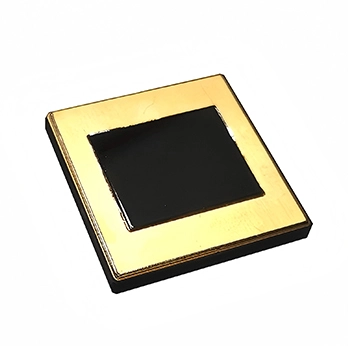
Colloidal Quantum Dots (CQDs) are tiny semiconductor particles, typically just a few nanometers in size, suspended in a solution. Due to their nanoscale dimensions, colloidal quantum dot cameras exhibit unique optical and electronic properties that differ significantly from bulk materials. These properties arise from quantum confinement effects, which allcow CQDs to absorb and emit light at specific, tunable wavelengths depending on their size and composition.
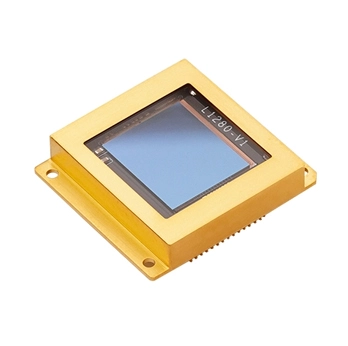
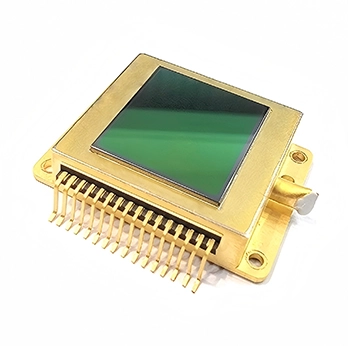
CQDs (colloidal quantum dots) — for readers seeking the meaning of CQD — are synthesized through solution-based chemical processes, making them cost-effective and scalable. Their ability to be deposited as thin films or integrated into flexible substrates makes them an exciting material for sensor technologies, especially in photodetection and imaging applications, where the development of advanced CQD SWIR detectors shows great potential.
CQD sensors function by leveraging the interaction between light and quantum dots. When photons strike the CQDs, they excite electrons from the valence band to the conduction band, generating electron-hole pairs. This photo-excited charge can be collected and measured as an electrical signal, enabling the detection of light across different wavelengths.
One of the key features of a CQD sensor is its tunable bandgap. By adjusting the size of the quantum dots, engineers can tailor sensors to be sensitive to various parts of the electromagnetic spectrum — from ultraviolet to visible, and even infrared light. CQDs are usually integrated onto sensor platforms through solution processing techniques like spin coating or inkjet printing, allowing for flexible and versatile sensor designs.
CQD sensor technology offers several advantages compared to traditional sensor materials such as silicon or bulk semiconductors:
Cost-Effectiveness: CQDs can be produced at low cost using simple chemical synthesis, and their solution processability enables scalable manufacturing.
Tunable Sensitivity: The ability to adjust the size and composition of CQDs means sensors can be engineered for specific wavelength ranges, enhancing sensitivity and selectivity.
Flexibility and Thinness: CQD films can be made ultra-thin and deposited on flexible substrates, making them ideal for wearable or flexible electronics.
Broad Spectral Response: Unlike conventional sensors, CQDs can detect a wide range of wavelengths, including infrared, which is critical for applications like night vision and thermal imaging.
Environmental Robustness: CQD sensors can operate under harsh conditions, including high temperatures or chemically aggressive environments, where traditional sensors might fail.
The unique properties of CQD sensors have opened the door to many innovative applications across different fields:
Medical Imaging and Diagnostics: CQD sensors can be used in biomedical devices for detecting fluorescence signals, improving imaging resolution and sensitivity.
Environmental Monitoring: Their ability to detect a wide range of gases and chemicals makes CQD sensors ideal for air quality monitoring and pollution detection.
Optical Communications: CQD photodetectors can be used in high-speed data transmission systems, benefiting from their fast response times.
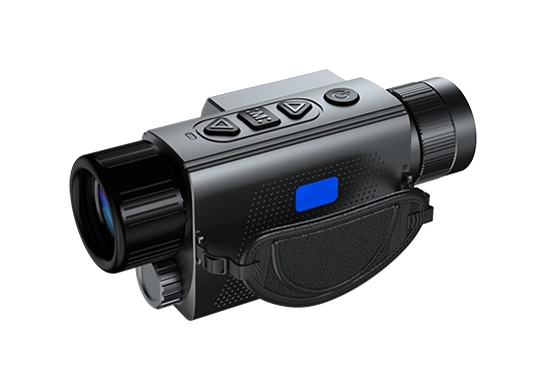
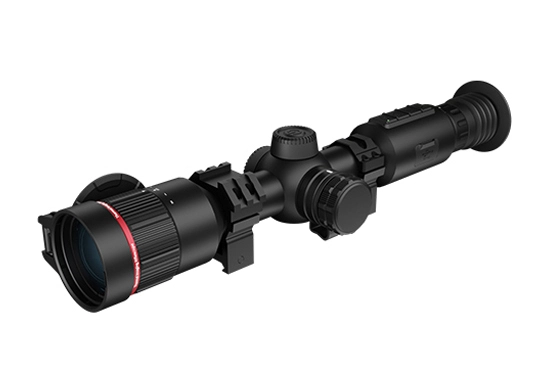
Security and Surveillance: Infrared-sensitive CQD sensors enable night vision and thermal cameras for security applications.
Flexible and Wearable Devices: Thanks to their lightweight and flexible nature, CQD sensors are integrated into wearable health monitors and smart textiles.
As research progresses, CQD sensor technology continues to evolve, promising even broader adoption in next-generation sensing and imaging systems.
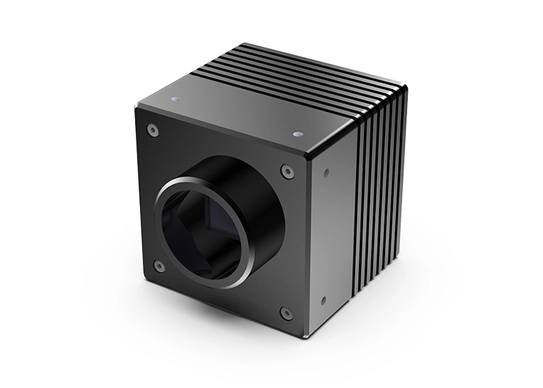
CQD sensor technology refers to imaging and photodetection systems built with Colloidal Quantum Dots (CQDs)—nanometer-scale semiconductor particles engineered to absorb and convert light into electrical signals. Because the optical response of CQDs can be tuned by controlling particle size and composition, CQD sensors can detect wavelengths ranging from visible light to short-wave infrared (SWIR), making them highly versatile for modern imaging applications.
Yes. CQD sensors are specifically recognized for SWIR imaging because they combine broadband sensitivity with scalable manufacturing. Their ability to capture details in the short-wave infrared range makes them effective for inspection, sorting, and infrared imaging where visible-light cameras are limited.
CQD sensors can be designed for a broad spectral range. Depending on material composition, they may detect visible light, near-infrared, and short-wave infrared wavelengths. Many CQD SWIR sensors operate from approximately 400 nm to over 1700 nm, while some specialized designs can extend even further into infrared imaging applications.