

Jan 02, 2025

When it comes to optical sensing and imaging, choosing the right detector technology is essential. CCD (Charge-Coupled Device) and InGaAs (Indium Gallium Arsenide) detectors are two powerful but very different solutions. While both are used for capturing light and converting it into electrical signals, they serve distinct purposes based on their performance characteristics, wavelength sensitivity, and cost. Let’s explore how they compare.
One of the most fundamental differences lies in the spectral response range.
Ingaas CCD detectors are optimized for the visible spectrum, typically from around 400 nm to 1000 nm. They are widely used in photography, microscopy, and machine vision applications.
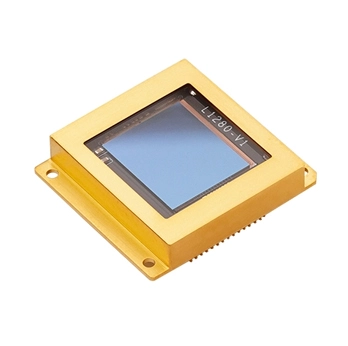
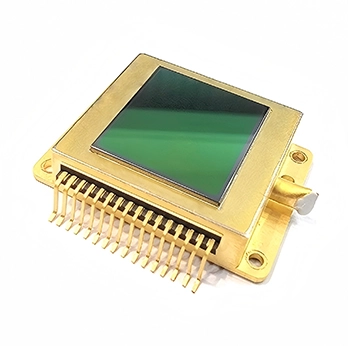
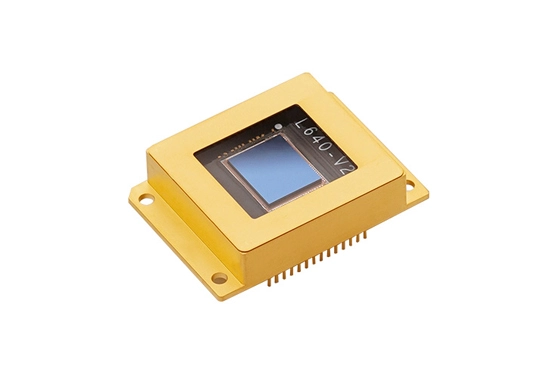
InGaAs detector, on the other hand, excel in the near-infrared (NIR) region, typically from 900 nm to 1700 nm, and extended versions can reach beyond 2.5 µm. This makes them ideal for applications like spectroscopy, telecom, thermal monitoring, and laser characterization.
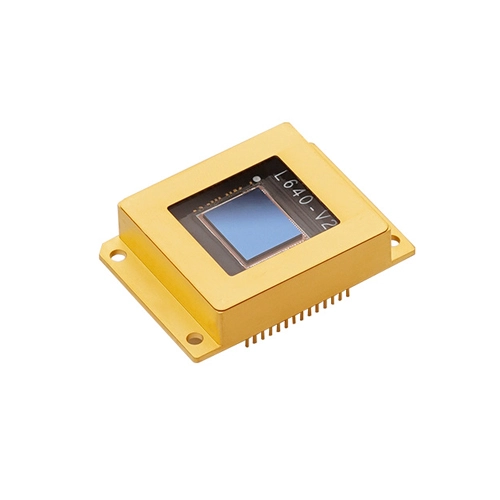
If your application requires infrared sensitivity, CCDs simply won’t cut it — InGaAs is the clear choice.
Both technologies offer excellent image quality, but they do so in different ways:
CCD sensors are known for low noise levels and high dynamic range in the visible spectrum, which is why they remain popular in scientific imaging.
InGaAs detectors tend to exhibit higher dark current due to their narrow bandgap, but modern cooling techniques and signal processing have significantly improved their performance.
In demanding NIR imaging tasks — especially low-light or high-speed — InGaAs sensors now rival CCDs in noise control and resolution.
The difference in spectral range and performance characteristics directly determines where each sensor is typically used:
CCD detectors are common in consumer electronics (digital cameras, scanners), biological imaging, and astronomy (visible light telescopes).
InGaAs detectors are found in more specialized sectors such as industrial NIR spectroscopy, SWIR imaging, military surveillance, semiconductor inspection, and optical fiber communication.
Companies working with shortwave infrared sensing or high-end photonics will almost always turn to InGaAs solutions.
Cost is another major factor in choosing between CCD and InGaAs detectors:
CCD sensors are mass-produced and relatively inexpensive, making them suitable for consumer-grade and large-scale applications.
InGaAs sensors, however, are more expensive due to the complexity of their material composition and fabrication process. But as technology matures and demand increases, prices have gradually become more accessible.
For developers and system integrators, it's crucial to balance performance needs with budget, and often that decision hinges on whether NIR sensitivity is mission-critical.
If your goal is to capture high-quality images in the visible spectrum at an affordable cost, CCD remains a dependable solution. But if you're working in the near-infrared realm — where precision, sensitivity, and spectral range are vital — InGaAs detectors are the clear frontrunner. Understanding the difference can help you make smarter technology choices and deliver better results in your specific application.
Need help selecting the right detector for your system? Talk to our experts today — we’ll match you with the perfect fit.
