

Dec 01, 2025

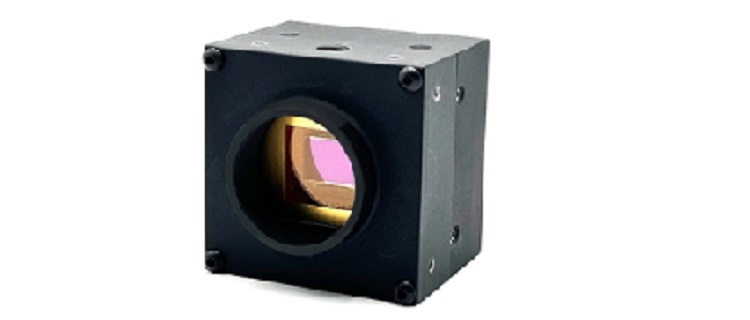
In the precise world of short-wave infrared (SWIR) imaging, the choice of camera architecture dictates the success of your industrial vision system. Engineers frequently weigh the benefits of a cooled InGaAs camera against the operational efficiency of an uncooled InGaAs camera. Because SWIR imaging is inherently sensitive to thermal fluctuations, understanding how the camera’s internal thermal management influences signal integrity is essential for achieving high-resolution results in challenging environments.
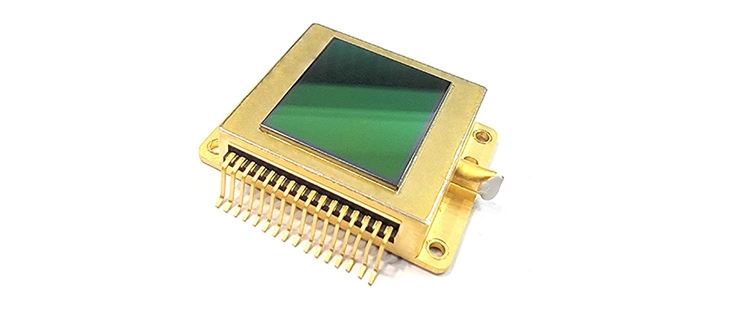
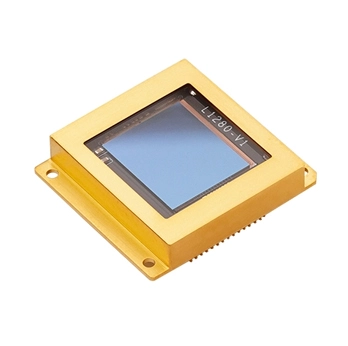
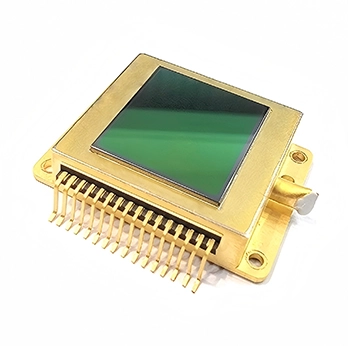
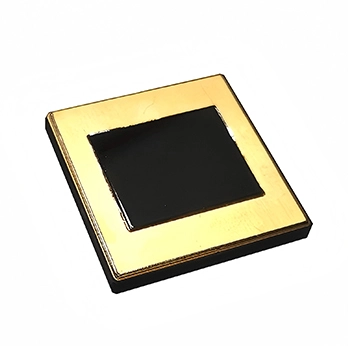
At the heart of any InGaAs camera is an Indium Gallium Arsenide sensor, a material highly prized for its ability to detect light in the 0.9 to 1.7-micron wavelength range. These cameras are foundational for applications ranging from semiconductor inspection to high-speed quality control.
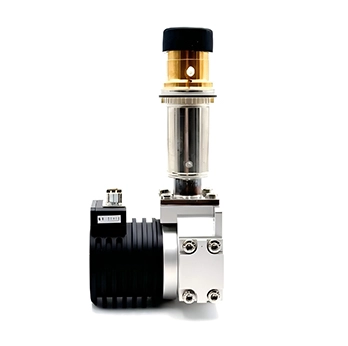
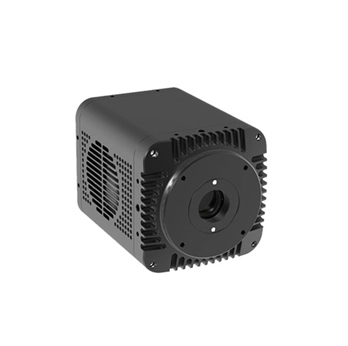
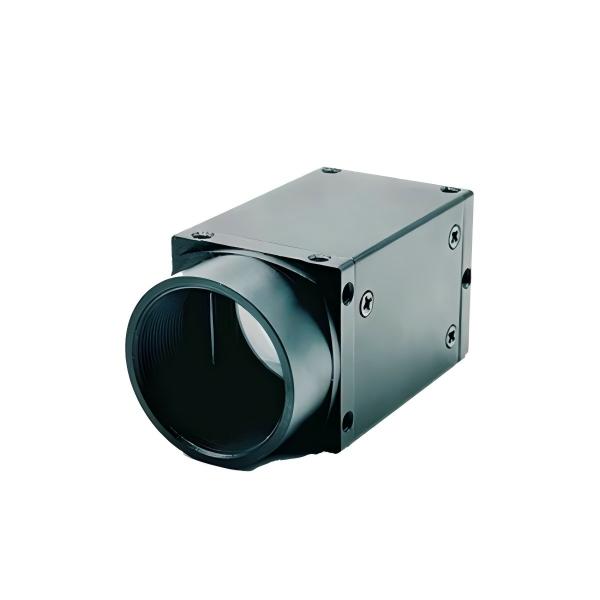
The primary technological divide lies in the thermal regulation of the sensor array. A cooled InGaAs camera utilizes an integrated thermoelectric cooler (TEC) to maintain the sensor at a stable, sub-ambient temperature, often reaching -20°C to -80°C. This active cooling is designed to suppress thermally generated electrons, known as dark current. Conversely, an uncooled InGaAs camera relies on passive thermal management. These units are engineered for rugged, compact, and cost-effective deployment, making them the preferred choice for industrial settings where space and simplicity are at a premium.
To navigate your selection process, it is useful to look at how these internal architectures translate into real-world operational performance.
| Feature | Uncooled InGaAs Camera | Cooled InGaAs Camera |
|---|---|---|
| Cooling Method | Passive (Ambient) | Active (TEC/Cryogenic) |
| Dark Current | Higher (Increases with time) | Very Low (Suppressed) |
| Exposure Time | Short (Milliseconds) | Long (Seconds to Minutes) |
| System Size | Compact & Lightweight | Larger (Requires heat dissipation) |
| Best Used For | High-speed industrial monitoring | Precision science & micro-signal detection |
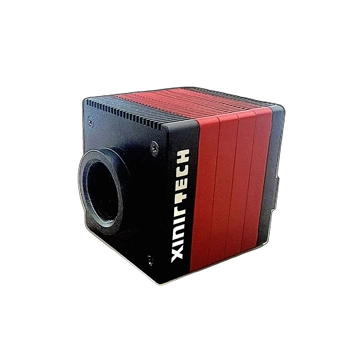
As the table above illustrates, the uncooled InGaAs camera is often the powerhouse of the factory floor. When your requirement is a high speed InGaAs camera for real-time assembly line sorting, the uncooled architecture provides the necessary reliability without the bulky cooling hardware.
Noise is the primary enemy of clear infrared imaging. In any InGaAs camera, "dark current" is the noise generated by the thermal energy of the sensor material itself—even when no light is present.
In an uncooled InGaAs camera, this thermal noise is tied directly to the ambient room temperature. As the camera operates over long periods, or if the environment heats up, the dark current increases, which can create a "fog" or grainy artifact across the image. By contrast, a cooled InGaAs camera actively pulls heat away from the sensor. By stabilizing the temperature at a very low level, the dark current is essentially neutralized. This allows for a significantly higher signal-to-noise ratio (SNR), which is critical when you are attempting to identify minute material defects or perform hyperspectral analysis where every photon counts.
SYTO Photonics understands that every industrial environment presents unique noise challenges. Whether you are upgrading your existing inspection pipeline or designing a new vision system, our comprehensive Infrared Camera range is engineered to balance these noise performance metrics with the mechanical durability required for industrial use.
The relationship between cooling and exposure time is one of the most critical factors for system architects. Because an uncooled InGaAs camera has a higher dark current, the sensor can only "look" at a scene for a limited duration (usually in the millisecond range) before the image becomes saturated with thermal noise. This makes it an excellent choice for a high speed InGaAs camera used in automated manufacturing, where thousands of items pass by the camera every minute.
However, if your application involves weak light sources—such as medical tissue imaging, fluorescence detection, or low-light environmental monitoring—the sensor needs to integrate light for much longer durations. Only a cooled InGaAs camera can handle these "long exposures" (up to several seconds or even minutes) without the image becoming completely obscured by heat-induced noise. Thus, imaging quality is not just a function of resolution, but a function of the camera's ability to maintain a "dark" baseline while capturing faint spectral details.
Selecting between these two technologies requires a clear assessment of your project's environmental and performance requirements.
If your application involves high-speed production line sorting, wafer inspection, or agricultural monitoring, the uncooled InGaAs camera is likely your best path forward. It offers a superior balance of cost-efficiency and performance, providing the mechanical longevity necessary for a high speed InGaAs camera that must operate reliably in varied factory temperatures.
On the other hand, if you are conducting advanced research, specialized diagnostics, or deep-space observation where signals are incredibly faint, the precision of a cooled InGaAs camera becomes a technical requirement. The ability to suppress noise allows for deeper contrast and more accurate spectral analysis. For those ready to move forward with their system integration, we invite you to browse our full Image Sensor catalog to discover modular options that can be tailored to your precise sensitivity requirements.
The choice between a cooled and an uncooled InGaAs camera hinges on your specific imaging goals. While the uncooled variant provides the high-speed, compact, and efficient performance demanded by modern industrial automation, the cooled variant serves as the gold standard for high-precision, low-light imaging. By identifying whether your process requires rapid throughput or extreme signal sensitivity, you can optimize your imaging pipeline to ensure maximum data accuracy and operational stability. SYTO Photonics remains committed to providing the hardware and expert guidance necessary to ensure your industrial SWIR deployment exceeds all performance expectations.
1. Does every high speed InGaAs camera require cooling?
No. Most high-speed industrial applications utilize an uncooled InGaAs camera because they require short exposure times, which makes the heat suppression of active cooling unnecessary.
2. Can an uncooled InGaAs camera perform long exposures?
Generally, no. Because uncooled cameras operate at ambient temperatures, long exposure times lead to a buildup of dark current, which degrades image quality significantly.
3. What is the main benefit of a cooled InGaAs camera?
The primary benefit is the drastic reduction of dark current noise, which allows the camera to capture extremely faint signals over long periods with high clarity.
4. How does SYTO Photonics help with camera selection?
SYTO Photonics provides expert technical consultation and a diverse range of infrared hardware to ensure that whether you need an uncooled high speed InGaAs camera or a specialized cooled solution, your system is optimized for your specific industrial task.