
Aug 27, 2025

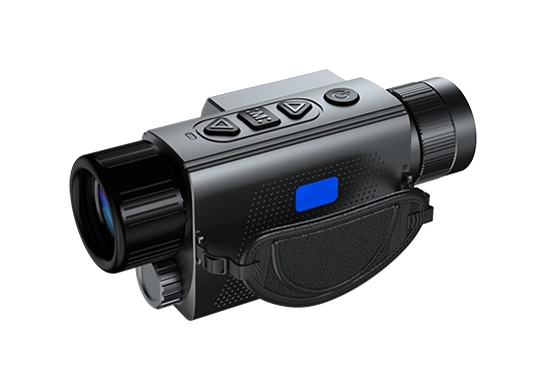
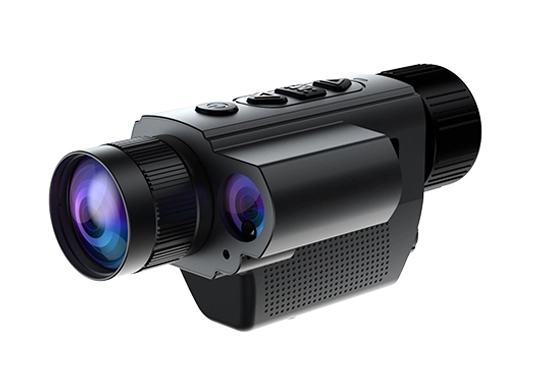
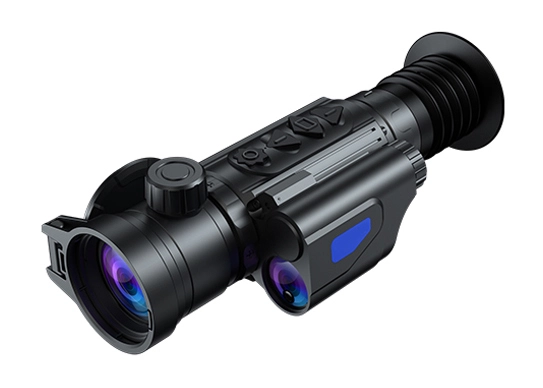
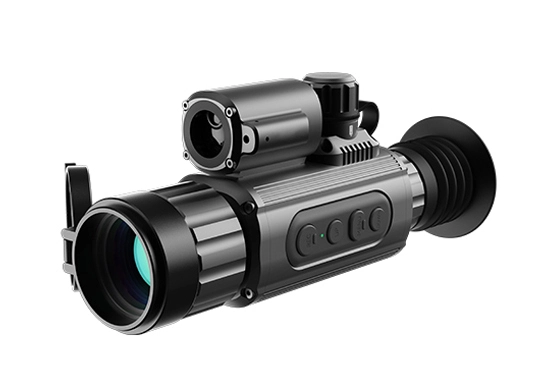
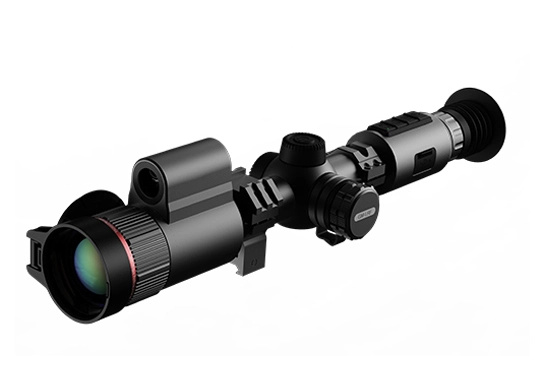
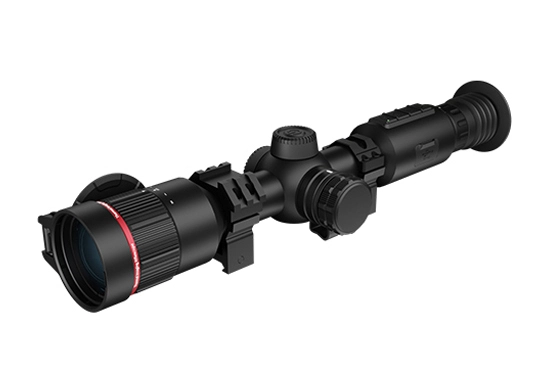
In modern firefighting and emergency rescue operations, the functionality of infrared thermal imagers is increasingly receiving widespread attention and emphasis. As a device capable of thermal radiation imaging in smoke-filled and low-visibility environments, infrared thermal imagers provide firefighters with unprecedented sensory capabilities, effectively improving firefighting efficiency and rescue success rates. This article will systematically explain the functions of infrared thermal imagers and their typical usage scenarios, analyze their structure and limitations, and help professionals make more efficient use of this high-tech tool.
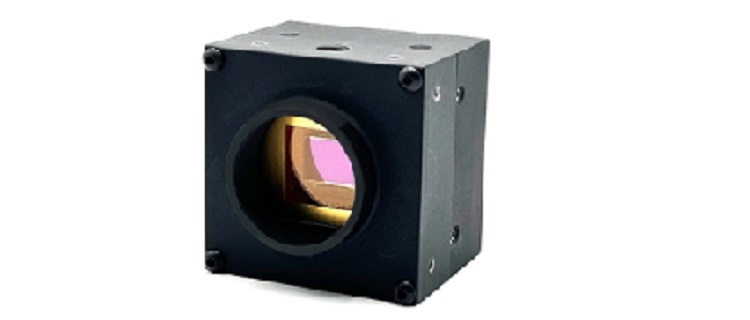
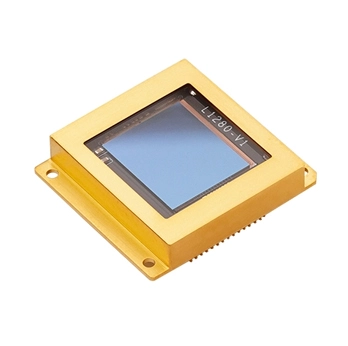
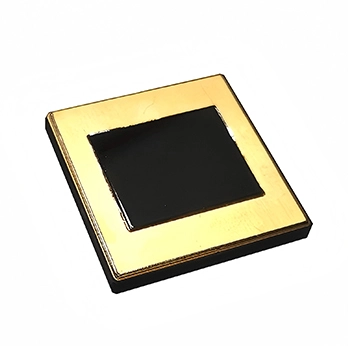
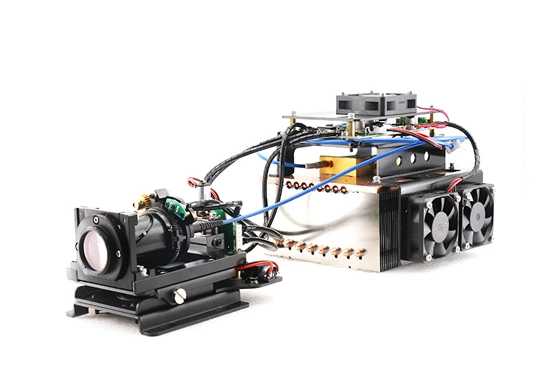
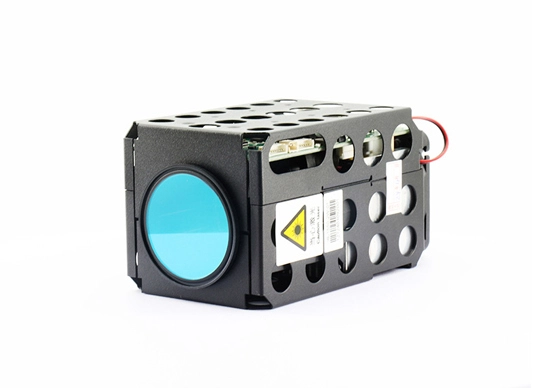
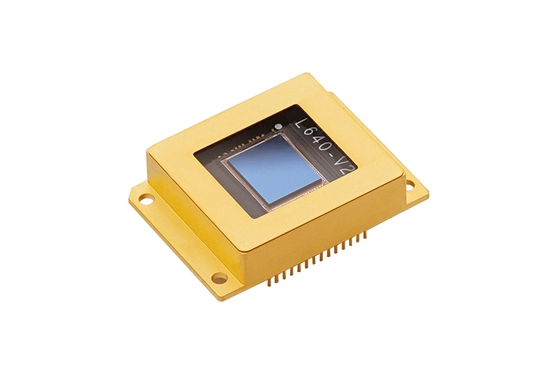
The core function of infrared thermal imagers lies in sensing thermal radiation and visualizing the temperature differences on the surfaces of different objects. Powered by advanced technologies such as the vox microbolometer, this capability allows them to play an important role in fire detection, rescue searches, and non-fire applications. Typical functions of infrared thermal imagers include:
Fire detection and analysis
Using thermal radiation characteristics to determine the fire origin, spread path, development stage, and attack direction is one of the most basic uses of infrared thermal imagers. By observing the distribution of hot spots in the image, commanders can identify the room that caught fire first and the point of ignition.
Internal fire rescue
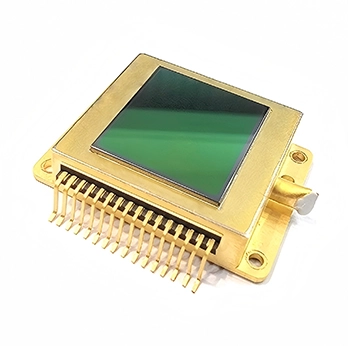
In environments with dense smoke and strong thermal radiation, the functionality of infrared thermal imagers such as infrared cmos image sensor can provide firefighters with a clear view, making it easier to find trapped individuals, confirm escape routes, identify hidden fire points, and optimize water jet positions.
Non-fire rescue scenarios
Including traffic accidents, mountain rescues, electrical load monitoring, leak detection, and tank capacity detection. Infrared thermal imaging helps quickly assess environmental risks and enhances handling efficiency, making it a versatile tool for various rescue scenarios.
The use of infrared thermal imagers covers various task types. Here are typical real-world applications:
Fire scene reconnaissance: In the early stages of firefighting, assessing the fire source and spread path is crucial for command decisions. The functionality of infrared thermal imagers can display high-temperature areas, helping to precisely locate the fire source and its direction of development, thereby improving operational efficiency.
Rescue of trapped individuals: Fire scenes are often accompanied by dense smoke and low visibility. Using infrared thermal imagers can overcome visual limitations and quickly search for high-temperature bodies, significantly shortening rescue times and being a key method for life-saving operations.
Detection of hidden fire points: Smoldering points inside walls, ceilings, or equipment are often difficult to identify with the naked eye. The functionality of infrared thermal imagers quickly identifies these points through temperature differences, preventing the risk of fire reignition.
Support for non-fire scenarios: Judging the location of individuals at traffic accident scenes, detecting overheating faults in electrical equipment, etc., are all extended uses of infrared thermal imagers, fully demonstrating their potential as a "multi-functional rescue tool".
Although infrared thermal imagers are powerful, they still have several technical limitations that users need to be aware of during their use:
Cannot penetrate water or walls: They can only detect surface temperature distribution and cannot "see through" solid objects;
Reflective interference: High-reflective surfaces may reflect signals from other heat sources, affecting judgment;
Close range focus limitations: Imaging is unclear within 1 meter, affecting operations in small spaces;
Condensation issues: Environmental temperature differences may cause lens condensation, affecting image quality;
Difficulties in detecting liquids: When room-temperature liquids leak, the temperature difference is not significant, making infrared imaging unclear.
With the rapid development of firefighting technology, the functionalities of infrared thermal imagers are gradually expanding from traditional fire rescue to multiple industries such as transportation, power, and petrochemicals. Supported by continuous innovation from leading camera sensor manufacturers, these devices are becoming an important tool for improving emergency response efficiency. Faced with increasingly complex emergency rescue tasks, mastering the correct usage techniques of infrared thermal imagers and scientifically evaluating their applicable scenarios and limitations will help maximize the value of infrared technology in practical work. In the future, with ongoing breakthroughs in infrared imaging algorithms, image fusion technology, and domestic core components, the functionalities of infrared thermal imagers will become more intelligent and diverse, playing an irreplaceable role in more scenarios.