
Jan 02, 2025

Against the backdrop of continuous advancements in modern technology, electronic image sensors, as the core components of various digital imaging devices, are widely used in industrial cameras, digital cameras, surveillance systems, mobile phones, automotive auxiliary systems, and fields such as medical, biometric identification, and more.
As the demands for image clarity, speed, and power consumption continue to rise, electronic image sensor technology is also continually evolving, further advancing how image sensor working mechanisms deliver better performance.
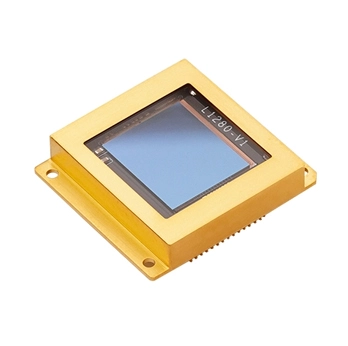
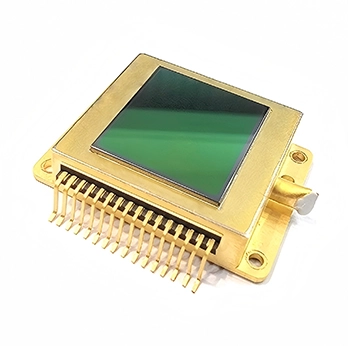
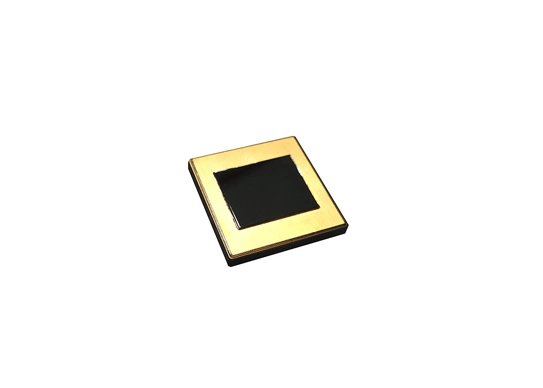
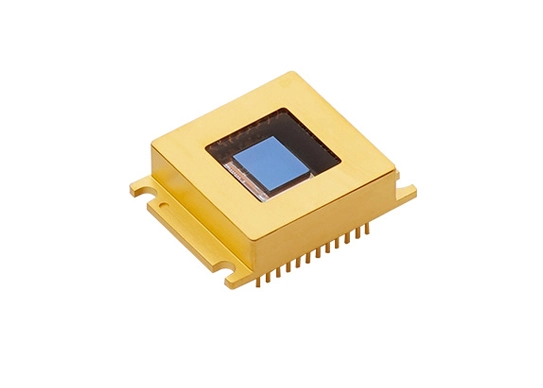
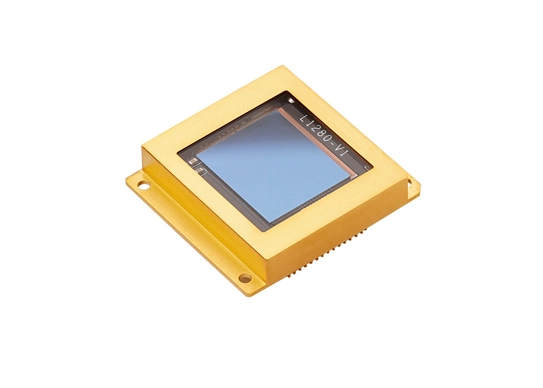
An electronic image sensor is a semiconductor device capable of converting optical images into electrical signals. By focusing external light onto the sensor’s image plane through an imaging lens, a two-dimensional light intensity distribution is formed. The photosensitive pixel array inside the sensor then converts this light intensity into analog or digital signals, completing the acquisition and processing of image information. This process lies at the core of the image sensor working principle and explains how modern imaging systems capture and reproduce visual data.
Currently, electronic image sensors are categorized into several groups, representing the different types of image sensors widely used today:
CCD (Charge-Coupled Device)
CCD is a type of electronic image sensor with a long history, known for its high sensitivity, low noise, and high-quality imaging. It is widely used in high-end fields such as astronomical photography and professional video equipment. CCD transmits signals by coupling charges within the chip. While its imaging quality is excellent, its manufacturing cost is high, and it has relatively higher power consumption.
CMOS (Complementary Metal-Oxide Semiconductor)
CMOS is a rapidly emerging type of electronic image sensor in recent years. With its simple structure, low power consumption, high integration, and relatively low cost, it is suitable for portable devices such as mobile phones and web cameras, which has also driven the growing demand for CMOS sensor for sale in both consumer and industrial markets. With advancements in manufacturing processes, the image quality of CMOS has gradually caught up with, or even partially surpassed, CCD, becoming the mainstream in the market.
CIS (Contact Image Sensor)
CIS is a type of electronic image sensor specifically used for scanners. It works by closely contacting the scanned object with an LED light source to complete image acquisition. Although CIS does not match CCD and CMOS in depth of field and resolution, its simple structure and low cost make it suitable for scanning flat documents.
The core working processes of electronic image sensors define the image sensor working principle and include light reception, conversion, and signal transmission:
Light reception: External scene light is focused on the sensor surface through the lens.
Photoelectric conversion: The light intensity received by each pixel is converted into the corresponding charge by a photodiode.
Signal reading and processing: CCD transmits charges to the output via a shift register, while CMOS directly converts them to voltage signals through internal circuits, then processes them to digital image signals via analog-to-digital conversion (ADC).
The number of pixels determines the image resolution; the more pixels an electronic image sensor contains, the finer the image it can reproduce.
With the development of emerging technologies such as AI vision, autonomous driving, and virtual reality, electronic image sensors are moving towards higher resolution, lower power consumption, higher dynamic range, and greater intelligence. CMOS, with its superior process compatibility and scalability, will play an increasingly important role in the future. As the “eyes” of digital imaging systems, electronic image sensors, with their diverse classifications and clear principles, have achieved deep integration and innovation in multiple technical fields. With continuous sensor technology advancements, we have reason to believe that future imaging devices will be smarter, more efficient, and more precise.
What is the difference between CCD and CMOS image sensors?
CCD sensors transfer charge across the chip to a single output node, resulting in high image quality and low noise. CMOS sensors, on the other hand, use individual amplifiers at each pixel, enabling faster processing and lower power consumption but sometimes higher noise levels.
Why is understanding image sensor working important?
Understanding image sensor working helps users select the right sensor for specific applications, optimize imaging performance, and improve system efficiency in devices such as cameras, industrial systems, and medical equipment.
Can image sensors work in low-light conditions?
Yes, modern image sensors—especially advanced CMOS sensors—are designed to perform well in low-light environments by improving sensitivity, reducing noise, and enhancing signal processing capabilities.