
Apr 17, 2026

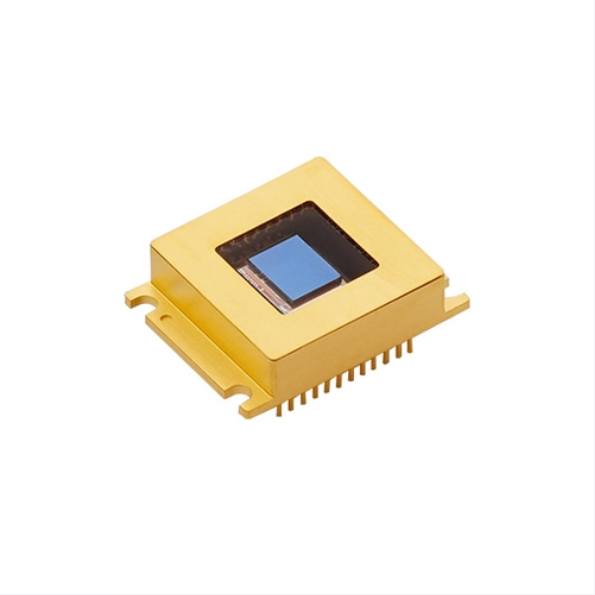
As machine vision technology continues to evolve, the demand for sophisticated imaging that transcends the limits of the visible spectrum has become a defining characteristic of modern industrial automation. Short-wave infrared (SWIR) imaging is at the center of this transformation, providing critical data for defect detection, chemical analysis, and quality control. At the forefront of this shift is the development of Colloidal Quantum Dot (CQD) sensor technology. By focusing on the convergence of light-sensing materials with robust silicon architectures, CQD technology is enabling a new generation of the infrared CMOS image sensor, offering a flexible and highly scalable approach to high-performance imaging.
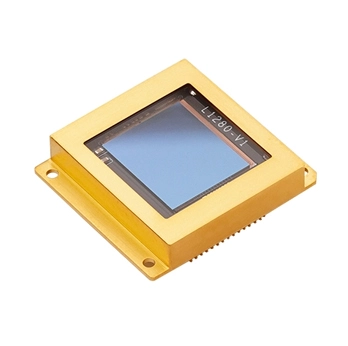
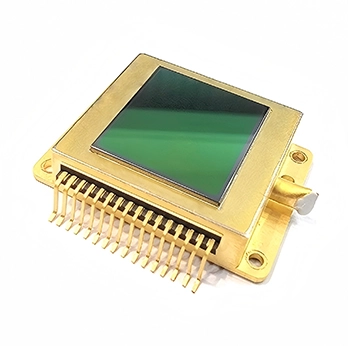
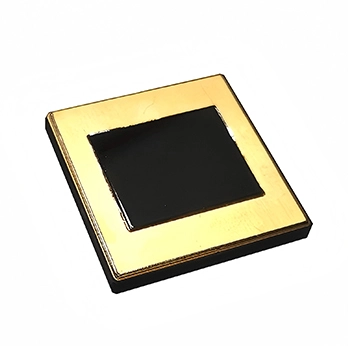
The core innovation of CQD technology lies in its unique method of construction. Unlike conventional infrared sensors that require complex mechanical bonding, CQD sensors are created by layering light-sensitive colloidal quantum dots directly onto standard silicon CMOS read-out integrated circuits (ROICs). This monolithic integration allows the sensor to benefit from the high performance of mature CMOS design, ensuring exceptional signal processing and low power consumption.
By utilizing this integration, developers can ensure greater consistency and mechanical stability within the sensor array. This process allows the IR CMOS sensor to maintain high signal integrity while simplifying the architecture of the imaging device. For industrial partners, this means that the infrared CMOS image sensor provides a more reliable foundation for critical inspection tasks, as the entire assembly is built upon a platform known for its resilience and high-volume manufacturing compatibility.
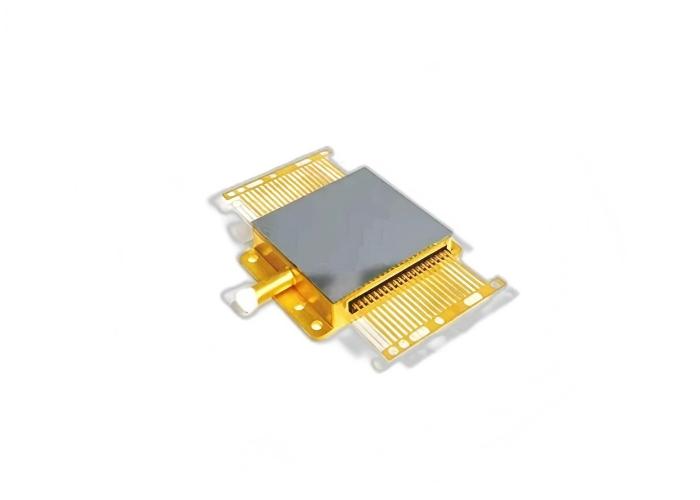
One of the most significant advantages of CQD-based sensor technology is its broad spectral responsiveness. Because quantum dots can be engineered for specific light-absorption characteristics, these sensors can be tuned to offer sensitivity that spans from approximately 400 nm in the visible range to over 1700 nm in the SWIR spectrum. This expansive range allows for a single, unified imaging pipeline that can capture data across both visible and infrared light without the need for multiple camera systems.
| Capability | Benefit for Industrial Imaging |
|---|---|
| Broadband Sensitivity | Unified visible and SWIR data capture |
| Monolithic Design | Enhanced mechanical and thermal stability |
| Spectral Tuning | Optimized performance for specific wavelengths |
This "single-sensor" versatility simplifies system architecture, allowing for more streamlined designs in both stationary machine vision and mobile platforms. By capturing both visible and infrared data simultaneously, the IR CMOS sensor enables complex multispectral analysis that was previously difficult to achieve with disparate imaging hardware.
High-resolution imaging is a prerequisite for modern automated inspection, particularly in sectors like semiconductor manufacturing and precision assembly. CQD technology excels here by enabling finer pixel pitch compared to earlier infrared detector generations. Because the light-sensitive material is applied directly onto the CMOS circuitry, the design constraints typically associated with mechanical bonding are significantly reduced.
This high-resolution potential allows for more detailed imaging, which is vital for detecting micro-defects on surfaces or verifying the internal structures of components. As industrial requirements move toward detecting smaller and more subtle features, the ability of the IR CMOS image sensor to scale pixel density becomes a key asset for system integrators. To explore our latest hardware solutions, you can view our full CQD Image Sensor catalog.
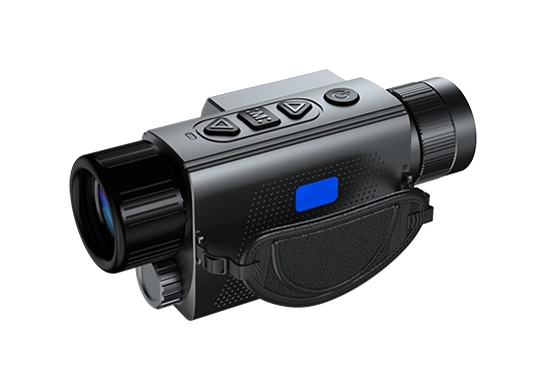
Beyond the factory floor, the compact nature of CQD technology is opening new doors for portable and mobile imaging. The combination of low power consumption—inherent to CMOS-based designs—and the ability to achieve high-performance results in a small form factor makes these sensors ideal for drones, UAVs, and handheld inspection tools.
In mobile environments, where weight and energy efficiency are critical, the IR CMOS sensor provides an excellent balance. It allows for advanced, real-time sensing without the need for bulky cooling systems or complex power infrastructure. Whether it is agricultural drones monitoring crop health through spectral analysis or handheld devices used for rapid material identification, the agility of CQD technology ensures that high-performance imaging is no longer confined to stationary, high-power laboratories.
As we look toward the future, the integration of quantum dots with CMOS technology represents a significant leap in imaging capability. The ongoing refinement of this technology focuses on increasing quantum efficiency and further expanding spectral tuning capabilities. The infrared CMOS image sensor is rapidly becoming an industry-standard solution for those seeking to push the boundaries of what is possible in vision-based inspection and analysis.
For companies and integrators preparing for the next generation of imaging, adopting these advancements is a strategic move toward more efficient, accurate, and versatile systems. If you have specific requirements for your industrial project, please contact our technical team to discuss how we can support your integration efforts. SYTO Photonics remains dedicated to advancing these technologies, ensuring that our partners have access to the expertise and hardware necessary to excel in an increasingly data-driven world.
The evolution of SWIR imaging technology highlights a shift toward greater integration and spectral efficiency. By successfully bridging the performance of quantum dot materials with the proven capability of CMOS architecture, we have unlocked new possibilities for industrial and mobile imaging. The infrared CMOS image sensor offers a pathway to high-resolution, broadband sensing that is both versatile and adaptable to a wide range of requirements. As this technology matures, SYTO Photonics is proud to provide the sophisticated hardware that helps our partners solve the most challenging visual inspection and analysis tasks in their respective fields.
1. What makes CQD technology a significant advancement for IR sensors?
CQD technology allows for the monolithic integration of light-sensitive quantum dots onto standard CMOS circuits, resulting in a more stable, scalable, and versatile sensor architecture.
2. Does an infrared CMOS image sensor cover visible light?
Yes, CQD-based sensors are capable of broad spectral response, typically ranging from 400 nm in the visible spectrum to over 1700 nm in the SWIR range.
3. Why is pixel pitch important for industrial imaging?
A finer pixel pitch, made possible by advanced CMOS integration, allows for higher resolution imaging, which is essential for detecting minute defects and inspecting complex components in manufacturing.
4. How does SYTO Photonics support the integration of these sensors?
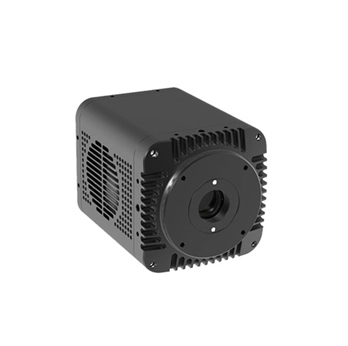
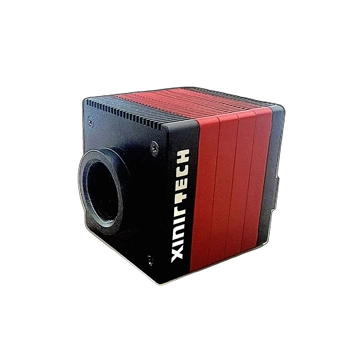
SYTO Photonics provides high-performance hardware, including advanced infrared cameras and image sensors, along with the technical expertise and consultation needed to implement these technologies into demanding industrial environments.