
Jul 18, 2026

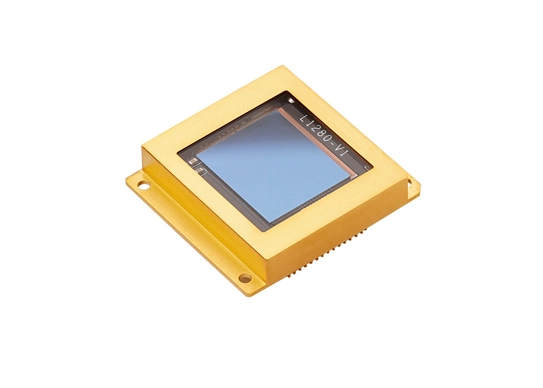
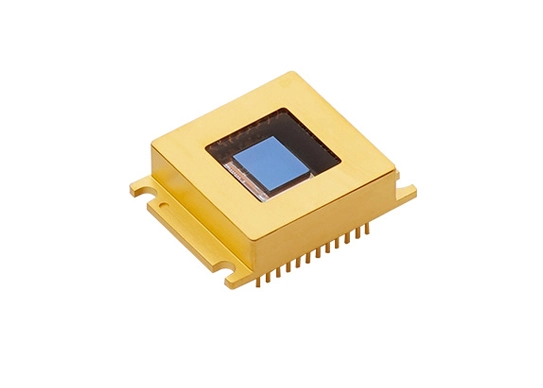
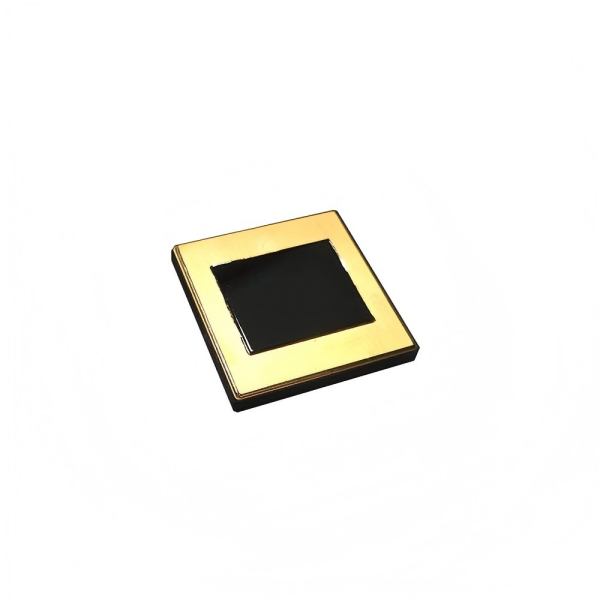
Modern imaging systems rely on advanced infrared sensing technologies to achieve high precision, stability, and real-time imaging performance. Among these technologies, the focal plane detector plays a foundational role in converting infrared radiation into measurable electrical signals, while array-based imaging architectures such as the focal plane array sensor enable full-field, high-resolution thermal visualization.
As industrial automation, defense surveillance, scientific exploration, and medical diagnostics continue to evolve, SYTO Photonics develops high-performance infrared imaging solutions designed for stability, sensitivity, and system-level integration.
This article explores how this imaging technology is applied across industries and how to evaluate suitable solutions for different operational environments.
In smart manufacturing environments, infrared imaging has become an essential tool for monitoring equipment conditions and improving production efficiency. A focal plane detector enables precise temperature mapping, allowing engineers to identify subtle thermal anomalies that traditional sensing methods may miss.
In real-world industrial systems, array-based infrared imaging solutions built on the focal plane array sensor architecture are widely deployed in wafer inspection, power system monitoring, mechanical stress analysis, and automated production quality control. These imaging architectures help manufacturers detect early-stage faults such as overheating components or irregular energy distribution, enabling predictive maintenance before system failure occurs.
To support engineering evaluation and system integration, SYTO Photonics provides structured technical resources that help users compare different imaging configurations and understand how these solutions can be adapted to specific industrial environments.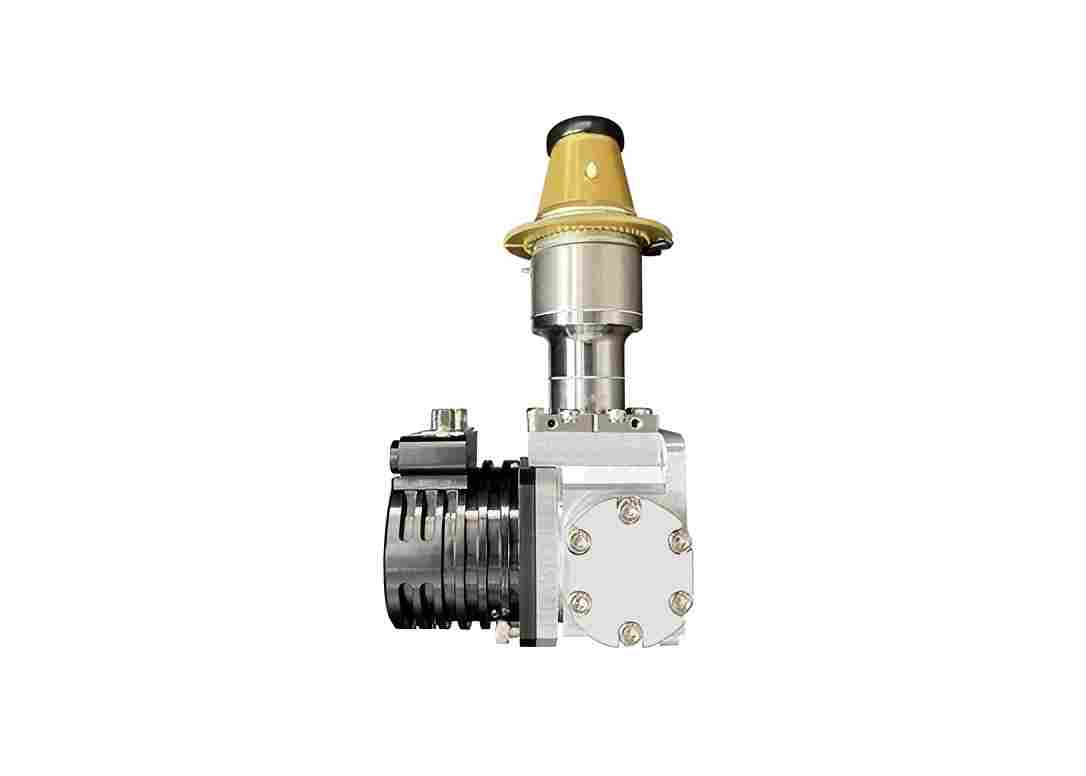
Fire detection systems require fast response and high sensitivity to temperature changes. Infrared imaging based on focal plane detector technology is widely applied in early warning systems, industrial safety monitoring, and perimeter protection scenarios.
Compared with traditional single-point measurement devices, focal plane array sensor systems provide a complete thermal field instead of isolated temperature readings. This enables faster identification of abnormal heat distribution, improved detection accuracy in low-visibility environments, and more comprehensive situational awareness in large-scale monitoring areas.
In environments such as chemical processing plants, logistics hubs, and underground infrastructure, these imaging systems significantly enhance early hazard detection and response efficiency.
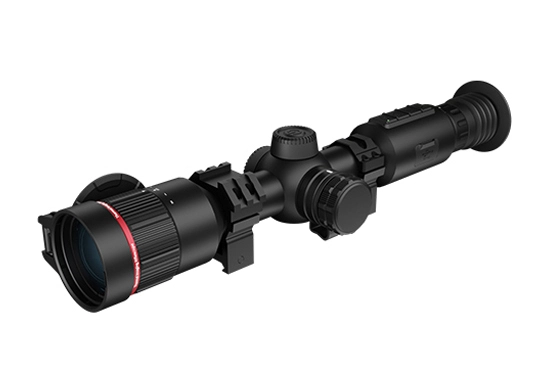
In defense applications, imaging systems must operate reliably under extreme conditions such as complete darkness, smoke, fog, and long-range observation environments. Infrared sensing technology based on this detector architecture is widely used in surveillance, target tracking, and night vision systems.
High-performance array imaging systems built on the focal plane array sensor concept enable long-distance detection, high-resolution scene reconstruction, border monitoring, and UAV-based reconnaissance. Their ability to maintain imaging clarity under degraded visual conditions makes them a critical component of modern defense infrastructure.
Scientific imaging systems require extremely high sensitivity to detect weak infrared signals from distant or low-emission sources. The focal plane detector is widely used in telescopes, satellites, and remote sensing platforms for multispectral and infrared data acquisition.
Applications include deep space observation, planetary surface analysis, climate monitoring, and environmental change detection. High-sensitivity focal plane array sensor systems allow researchers to capture subtle thermal variations and low-intensity radiation signals that would otherwise be difficult to measure.
These capabilities are essential for advancing both astronomical research and Earth observation science.
In medical diagnostics, non-contact thermal imaging has become increasingly important for early screening and physiological analysis. Infrared sensing systems based on focal plane detector technology are widely used in fever screening, inflammation detection, circulatory assessment, and biomedical research.
These systems generate high-resolution thermal maps using focal plane array sensor architectures, enabling healthcare professionals to identify abnormalities without invasive procedures. This makes them especially valuable in preventive screening and large-scale public health monitoring.
Selecting an appropriate imaging system requires evaluating multiple performance parameters, including resolution, spectral response, thermal sensitivity, frame rate, operating environment, and noise performance.
Different industries prioritize different characteristics. Industrial applications typically focus on durability and long-term stability, defense systems emphasize long-range sensitivity and robustness, while scientific and medical fields require extremely high precision and low-noise performance.
To assist engineers in system design and evaluation, SYTO Photonics provides detailed product-level resources that help users compare different imaging architectures and select suitable configurations for their application needs.
For customized integration requirements, system optimization, or technical consultation, direct engineering support is recommended. SYTO Photonics provides application-specific guidance to ensure optimal system performance and compatibility.
SYTO Photonics specializes in advanced infrared sensing technologies, with deep expertise in focal plane detector design and system-level optimization. The company provides imaging solutions for industrial, defense, scientific, and medical applications with a focus on stability, sensitivity, and integration flexibility.
By combining structured product resources with engineering-level support, SYTO Photonics helps users transition smoothly from system design to real-world deployment, ensuring reliable performance across different operating environments.
| Technology | Imaging Method | Strengths | Limitations | Best Use Case |
|---|---|---|---|---|
| focal plane detector | Full-array thermal imaging | High resolution, real-time imaging | System complexity | Industrial, defense, scientific, medical |
| Single-point IR sensor | Local temperature measurement | Low cost, simple design | No imaging capability | Basic monitoring |
| CCD/CMOS visible sensor | Optical imaging | High visual detail | Cannot detect infrared radiation | Machine vision |
| Pyroelectric sensor | Motion-based detection | Low power consumption | Limited accuracy | Motion detection systems |
Infrared imaging technologies based on focal plane detector systems have become essential across multiple industries, enabling high-resolution thermal visualization and real-time environmental monitoring. From industrial automation and defense surveillance to scientific research and medical diagnostics, these technologies continue to expand imaging capabilities and system intelligence.
SYTO Photonics provides scalable and application-driven infrared imaging solutions that support engineers throughout the entire lifecycle—from selection and design to integration and deployment.
It is an infrared sensing component that converts radiation into electrical signals for imaging purposes.
It is an imaging architecture that captures infrared signals across multiple pixels to generate full-field thermal images.
They are widely applied in industrial inspection, defense systems, scientific research, and medical diagnostics.
It provides full-field imaging instead of measuring only one temperature point.
Higher sensitivity enables detection of smaller thermal differences, improving imaging accuracy.
When system customization, integration support, or application-specific optimization is required.