
Aug 25, 2025

In modern fire fighting, emergency rescue, and equipment inspection fields, infrared thermal imagers are widely used due to their ability to visualize heat source distribution and break through visual barriers. However, to use infrared thermal imagers correctly, it is especially crucial to understand their core technical foundations. This article will comprehensively analyze the working principle of infrared thermal imagers, introducing their imaging mechanism, structural composition, and mode applications to help users deeply master the performance and usage points of the equipment.
The ir camera working principle is based on the theory of thermal radiation. In nature, any object with a temperature higher than absolute zero (-273°C) continuously radiates infrared energy. Although this infrared radiation is invisible, it contains temperature information of the object's surface. The working principle of infrared thermal imagers is to use specialized infrared detection technology to capture this invisible radiation energy and convert it into a visible image.
Simply put, the working principle of an infrared thermal imager includes three key steps:
Receiving infrared radiation: The optical system concentrates the infrared waves radiated by the target object onto the detector;
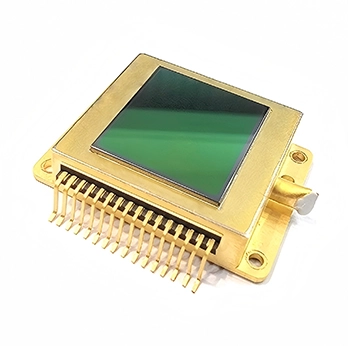
Converting to electrical signals: The infrared detector converts different radiation intensities into different electrical signals;
Image visualization: The electrical signals are amplified and converted by the signal processor and then sent to the display device, forming a thermal image visible to the human eye.
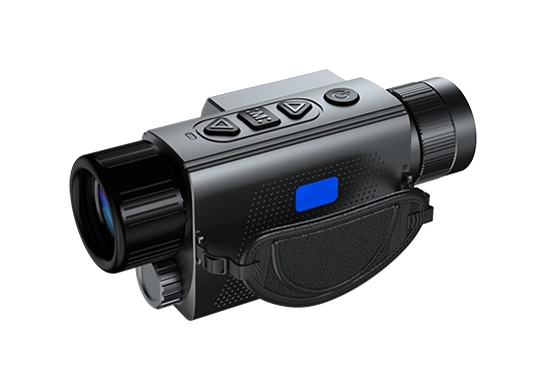
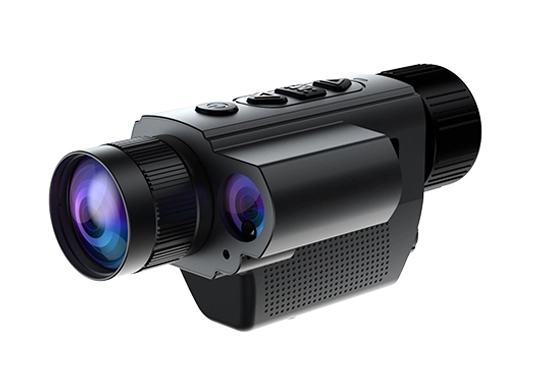
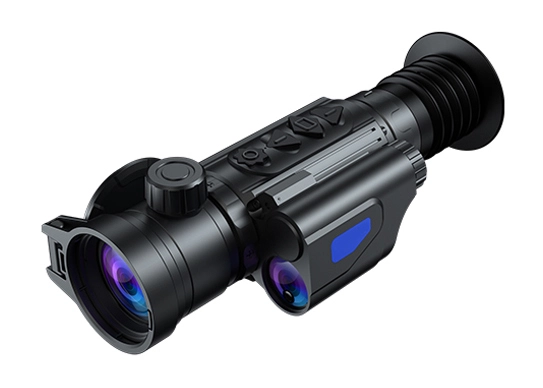
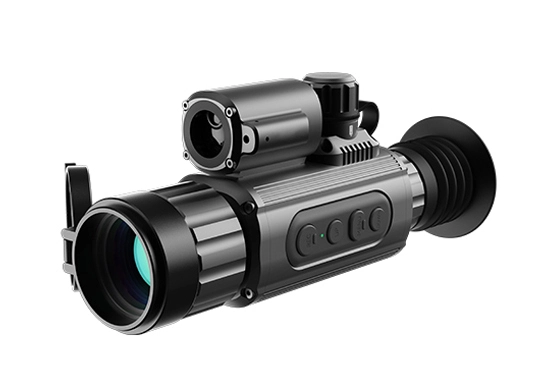
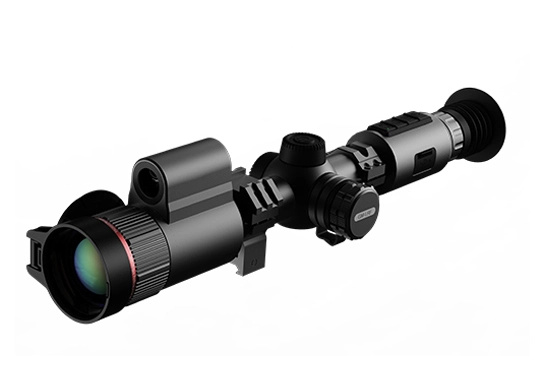
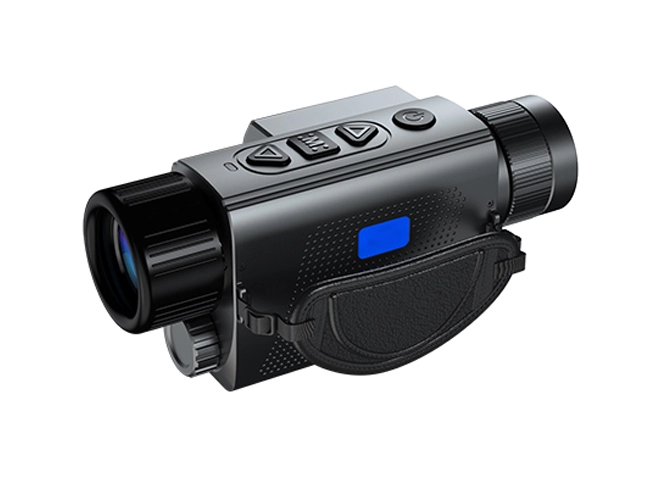
Through the above steps, users can clearly identify the image characteristics presented by different temperatures on the object's surface, thus assisting in determining fire situations, equipment anomalies, or personnel locations. This working principle of infrared thermal imagers is also fundamental to many portable devices—such as a thermal monocular for sale—whose core foundation is built on advanced thermal imaging technology.
In different scenarios, based on the infrared camera working principle, the equipment usually configures multiple imaging modes to meet diverse application needs.
Fire Mode: Used for firefighting inside buildings. When the detected temperature exceeds 150°C, objects are highlighted in color. This reflects the principle that "higher temperature objects radiate more," enhancing image contrast and facilitating identification of high-risk areas.
Assessment Mode: Suitable for reconnaissance outside the fire scene. The imaging temperature range is adjusted down to within 250°C, with finer color grading to help determine ignition points. This is also based on the working principle of infrared thermal imagers, improving the practicality of image information by setting different thermal sensitivity windows.
White Hot Mode: Used for large-scale heat source monitoring, displaying only the contrast between hot and cold in black and white, canceling color annotations. This directly reflects the working principle of infrared thermal imagers.
Search Mode: In complex environments, it highlights the hottest object (red), emphasizing the function of locating key heat sources, which is the strongest application of thermal radiation differences.
Inspection Mode: For electrical inspection and equipment monitoring, the color subdivisions clearly show regions of different temperature differences. This mode maximizes the precision control aspect of the working principle of infrared thermal imagers.
Search and Rescue Mode: Uses a blue background with high-brightness heat source display, used for searching for trapped people in non-fire environments. This demonstrates the feasibility and accuracy of the working principle of infrared thermal imagers in detecting living bodies.
As an important representative of thermal radiation sensing technology, the wide application of infrared thermal imagers is closely related to the growing demand for infrared camera use across industries, driven by their advanced and stable imaging mechanism. Fully mastering the working principle of infrared thermal imagers can not only help firefighters and equipment inspection engineers optimize their infrared camera use and operate the instrument more efficiently, but also provide theoretical support for maintenance and upgrades. As technology continues to advance, the working principles of infrared thermal imagers will continue to improve in resolution, sensitivity, and intelligent recognition, further expanding the potential of infrared camera use and injecting stronger technological power into emergency rescue and safety management.
Q: What are the main components of an infrared thermal imaging camera?
A: An infrared thermal imaging camera typically consists of:
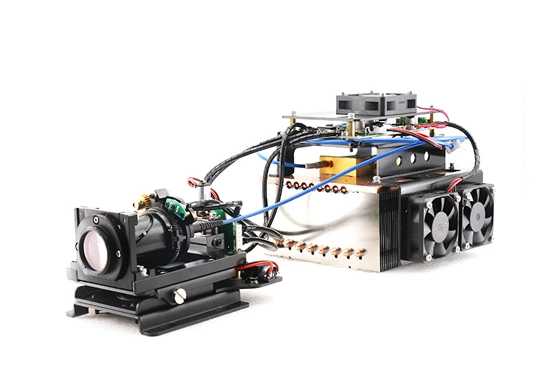
An optical lens to focus infrared radiation
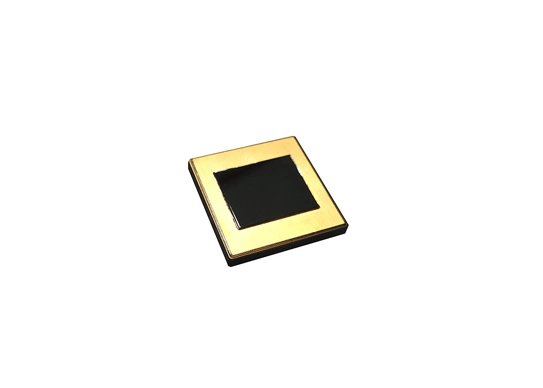
A thermal detector (such as a microbolometer)
Signal processing electronics
A display system for thermal images
These components work together to convert heat energy into accurate visual data.
Q: Why is infrared camera use important in industrial inspections?
A: Infrared camera use is essential in industrial inspections because it enables early detection of overheating components, electrical faults, and mechanical failures. This helps prevent equipment breakdowns, reduce maintenance costs, and improve operational safety through predictive maintenance.
Q: Can infrared thermography work in complete darkness?
A: Yes, infrared thermography works in total darkness because it detects heat rather than visible light. Since all objects emit infrared energy, thermal cameras can produce clear images regardless of lighting conditions.
Q: How accurate are thermal imaging cameras?
Thermal imaging cameras can provide highly accurate temperature measurements when properly calibrated. Advanced systems can detect very small temperature differences and deliver precise thermal data for analysis and decision-making.