
Aug 14, 2025

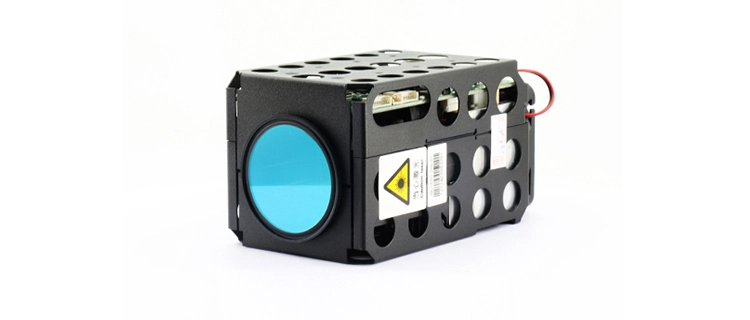
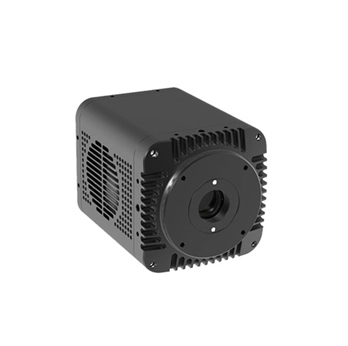
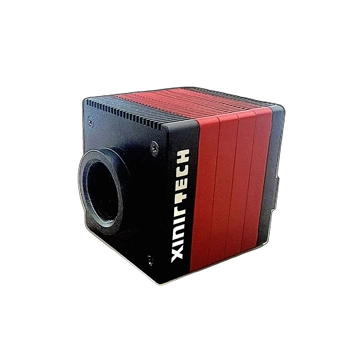
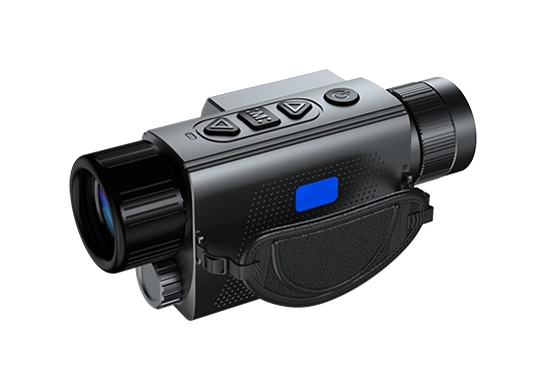
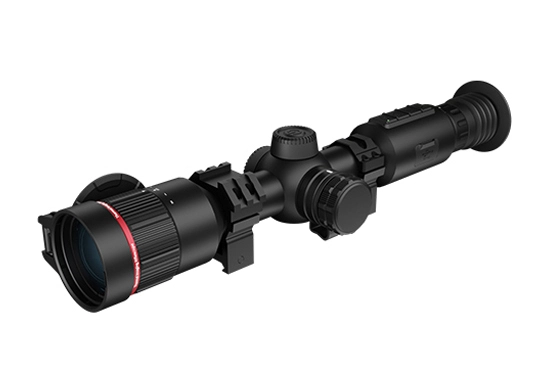
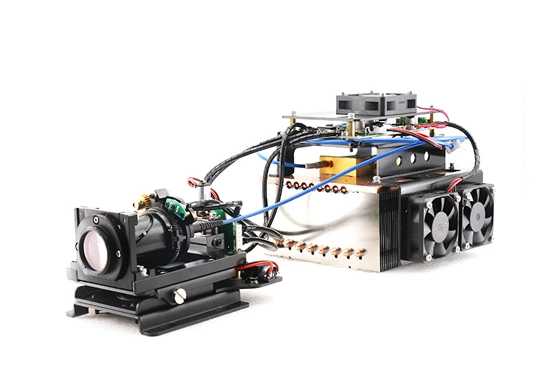
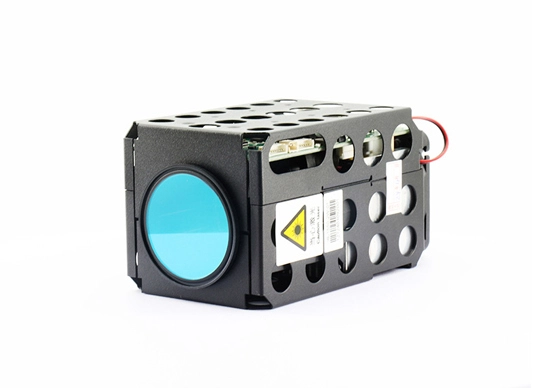
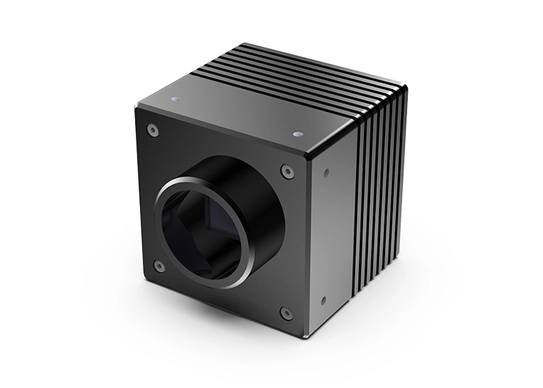
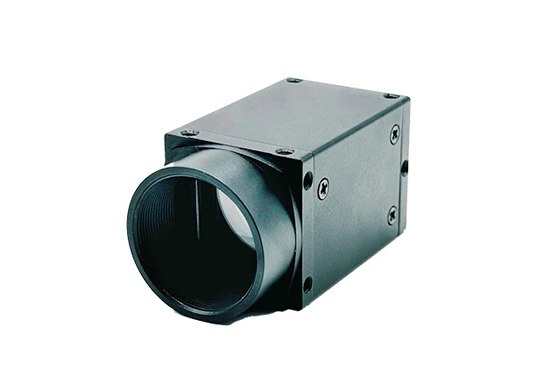
With the continuous innovation of infrared imaging technology, the application of industrial imaging devices in the aviation field is also becoming increasingly widespread. The infrared imaging equipment provided by SYTO covers the entire infrared band from 0.4μm to 15μm, encompassing a complete spectrum from short-wave infrared (SWIR), mid-wave infrared (MWIR) to long-wave infrared (LWIR). This wide-band response capability provides a technical foundation for the deep application of industrial imaging devices in high-tech fields such as aerospace.
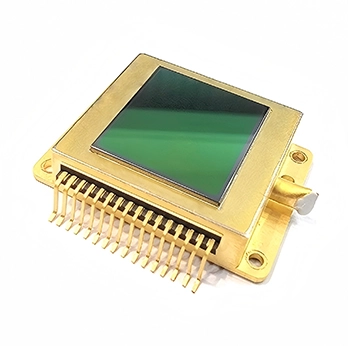
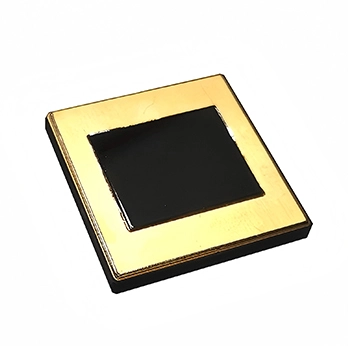
The introduction of new material technologies has greatly propelled the performance enhancement of industrial imaging devices. For instance, leading camera sensor manufacturers are leveraging breakthroughs in colloidal quantum dot technology and type-II superlattice materials to achieve remarkable improvements in imaging quality, sensitivity, and spectral response. These innovations, pioneered by advanced camera sensor manufacturers, not only improve detection efficiency and reduce costs but also directly drive the rapid adoption of high-performance imaging solutions in precision industries such as aviation.
In the aerospace field, especially in tasks such as remote sensing, satellite payloads, drone detection, and interstellar communication, industrial imaging devices have become indispensable core tools. Particularly, industrial imaging devices that perform excellently in the short-wave infrared (SWIR) band, within a spectral response range of 1.3µm to 1.5µm, possess strong penetration and environmental adaptability.

These high-performance industrial imaging devices are widely deployed in satellite optoelectronic payloads, unmanned aerial vehicles (UAVs), and aircraft to achieve the following key tasks:
Geological Survey: Acquiring surface mineral, rock layer, and topographical features through imaging devices, providing data support for geological research and resource development;
Atmospheric Composition Analysis: Precisely identifying different gas components in the atmosphere and their concentration changes, aiding environmental and climate monitoring;
Remote Sensing Imaging: Continuously imaging the ground in the infrared band to meet multiple needs such as land planning, agricultural monitoring, and disaster assessment;
Interstellar Communication Assistance: Utilizing infrared imaging equipment for high-speed optical communication between stars, enhancing data transmission efficiency and security between aircraft.
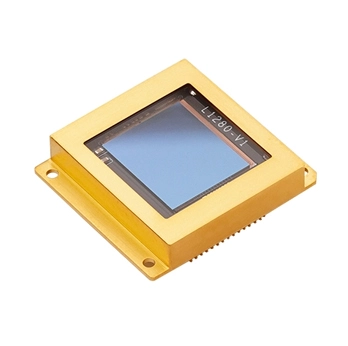
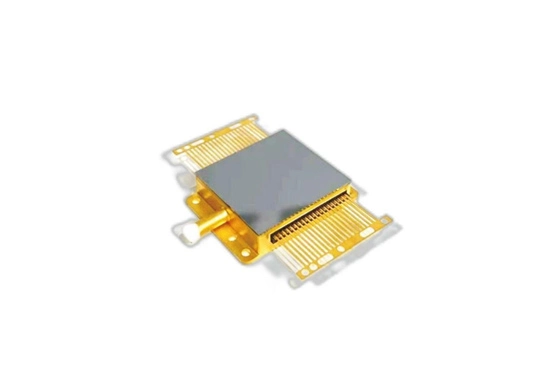
As the core technology of industrial imaging devices continues to mature, their applications in the aviation field will become more diverse and sophisticated. SWIR InGaAs sensors, in particular, are enabling a significant extension from traditional reconnaissance and monitoring into automated identification and intelligent analysis. Leveraging the unique sensitivity of InGaAs-based imaging in critical wavelength ranges, future systems will demonstrate greater value in enhancing aviation flight safety, data collection efficiency, and remote interaction capabilities. In civil aviation, this technology is already being deployed for high-resolution monitoring of aircraft external structures, precise engine thermal imaging detection, and enhanced radar-assisted navigation systems—directly contributing to improved flight safety and operational efficiency.
Industrial imaging devices, leveraging advanced infrared detection and material technology, are increasingly becoming an important driving force in the development of aerospace technology. From Earth observation to interstellar communication, from disaster warning to atmospheric monitoring, their application prospects in the aviation field are immeasurable. In the future, with further optimization of technology, industrial imaging devices will infuse more robust intelligent power into the global aerospace industry.