
Dec 27, 2024

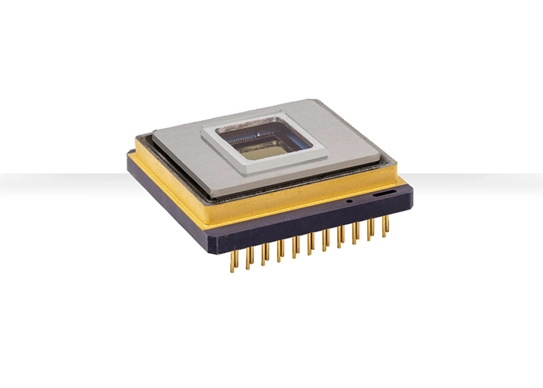
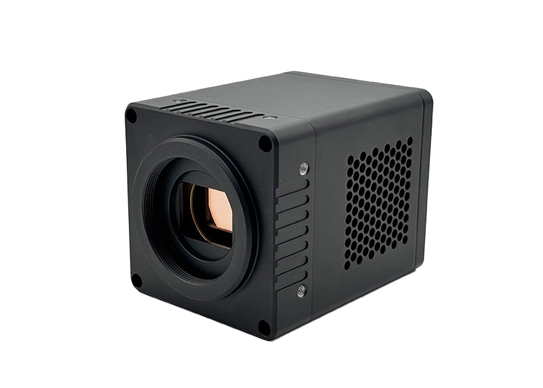
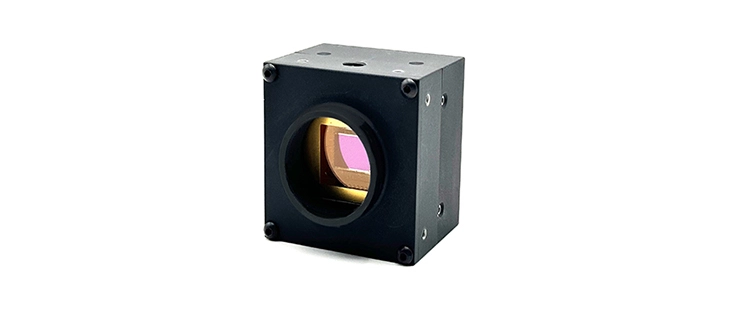
Short-wave infrared (SWIR) imaging has become essential in industries that require visibility beyond the visible spectrum, including semiconductor inspection, spectroscopy, and precision manufacturing. At the core of these systems is the indium gallium arsenide (InGaAs) detector, a semiconductor-based sensor optimized for detecting light in the SWIR range.
Selecting the right InGaAs detector is not a one-size-fits-all process. Performance depends on parameters such as resolution, pixel size, array format, and spectral response. This guide explains how to evaluate these factors using real product configurations consistent with SYTO Photonics InGaAs image sensor offerings.
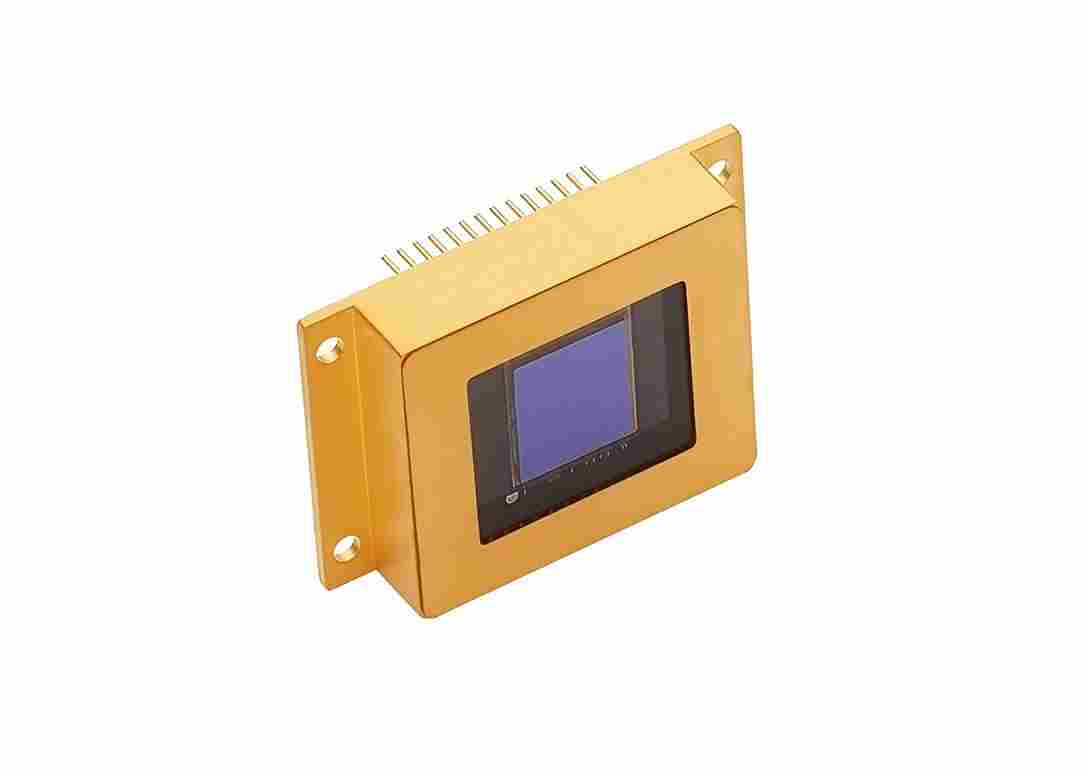
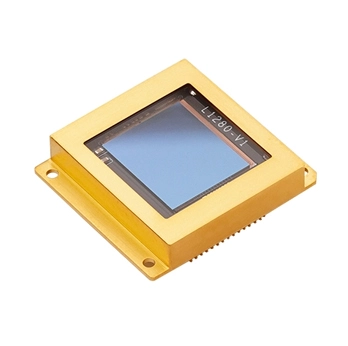
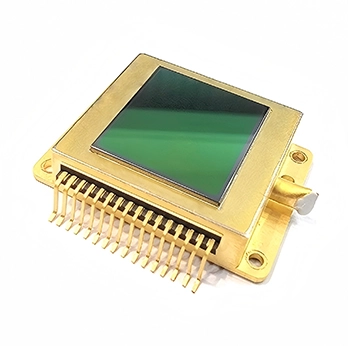
An InGaAs detector is a semiconductor-based photodetector that converts short-wave infrared (SWIR) light—typically in the 0.9–1.7 μm wavelength range—into electrical signals using the photoelectric effect.
The first step in choosing an InGaAs detector is understanding whether SWIR is appropriate for your application.
Standard InGaAs detectors operate in the 0.9–1.7 μm wavelength range, which aligns with material transparency and optical communication windows
According to NASA, SWIR wavelengths are particularly effective for imaging through haze, silicon inspection, and moisture detection
Different materials interact uniquely with SWIR light:
Silicon becomes transparent above ~1.1 μm
Water absorption peaks occur within the SWIR band
Optical fiber systems operate near 1.31 μm and 1.55 μm
If your application involves these properties, an indium gallium arsenide detector is the correct choice.
One of the most important decisions is selecting the detector format.
| Feature | Area Array Detector | Linear Array Detector |
| Structure | 2D pixel matrix | 1D pixel line |
| Typical Resolutions | 320×256, 640×512, 1280×1024 | 512×1, 1024×1 |
| Imaging Mode | Full-frame imaging | Line-by-line scanning |
| Use Cases | Surveillance, general imaging | Spectroscopy, industrial scanning |
| Data Output | Image frames | Continuous line data |
Area detectors:
GH-SW320
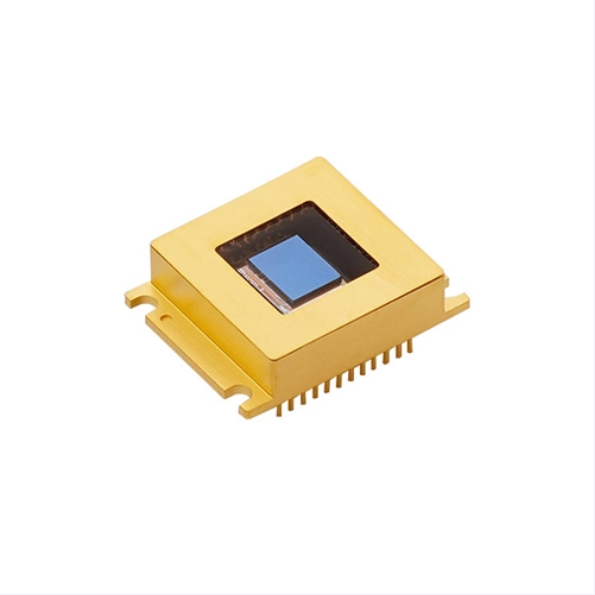
GH-SW640Pro
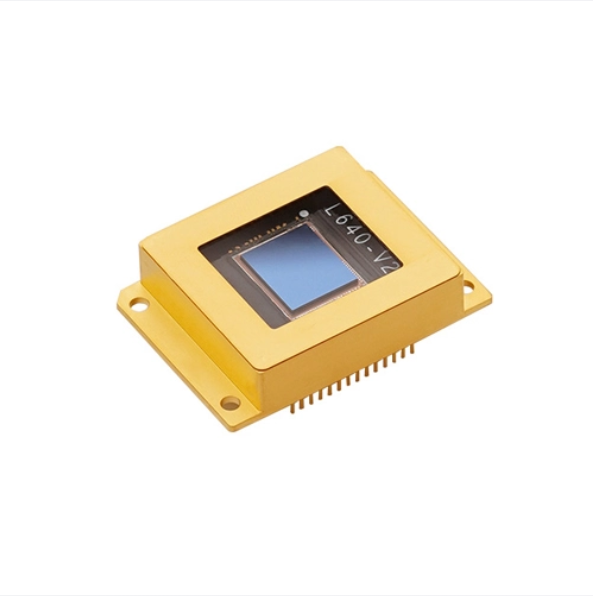
GH-SW1280
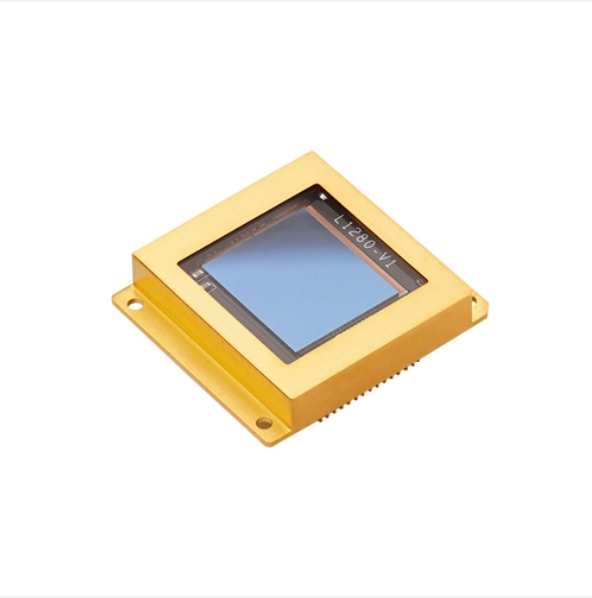
Leopard 640
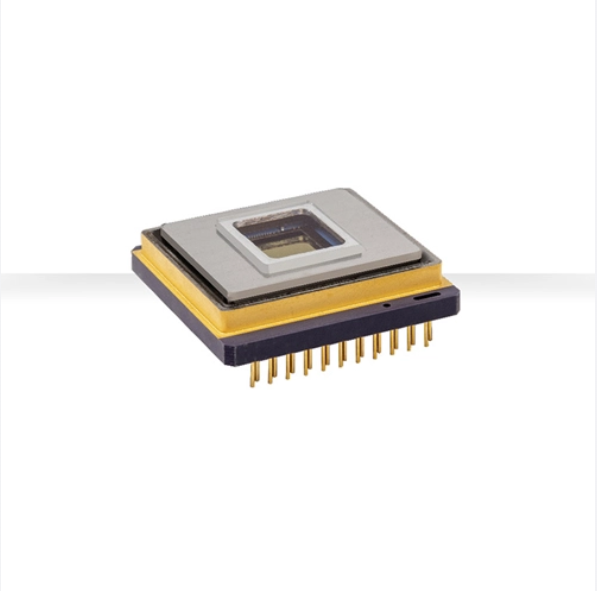
Linear detectors:
GH-SWLA-1024
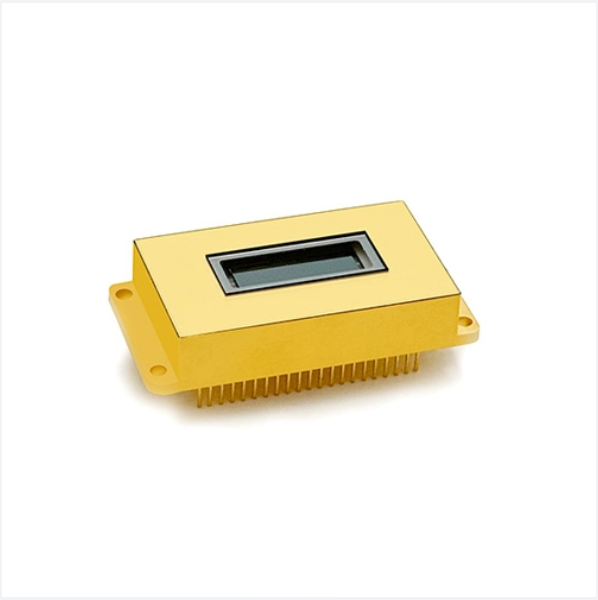
GH-SWLA-512
Choose area array for imaging applications
Choose linear array for scanning or spectral analysis
Resolution directly determines how much spatial detail your system can capture.
| Resolution | Application Suitability |
| 320×256 | Entry-level imaging, cost-sensitive systems |
| 640×512 | General industrial imaging |
| 1280×1024 | High-precision inspection |
| 1024×1 / 512×1 | Spectroscopy and line scanning |
Higher resolution:
Improves defect detection
Enables more accurate measurements
Increases data bandwidth and processing requirements
For semiconductor inspection or fine defect detection, ≥640 resolution is typically required.
Pixel size (often measured in micrometers, μm) is a critical parameter affecting both sensitivity and resolution.
Common InGaAs pixel sizes include 12.5 μm and 15 μm, consistent with product-level configurations
Smaller pixels → higher spatial resolution
Larger pixels → better light collection and sensitivity
| Pixel Size | Advantage | Limitation |
| 12.5 μm | Higher resolution density | Lower per-pixel sensitivity |
| 15 μm | Better signal strength | Slightly lower resolution |
Choose based on whether your priority is detail or low-light performance.
Signal quality determines how clearly your system can detect meaningful information.
While specific SNR values vary by design, it is well established that:
Photodiode-based detectors like InGaAs offer higher SNR than thermal detectors
According to Wikipedia, semiconductor photodetectors provide fast response and low noise due to direct photon-to-electron conversion
High SNR → clearer images
Better defect detection
More accurate spectral analysis
Frame rate defines how quickly the detector can capture and output data.
Area detectors: 25–60 Hz (standard imaging systems)
Linear detectors: dependent on scan speed and readout design
High-speed manufacturing lines
Real-time inspection systems
Dynamic imaging environments
For most industrial applications, ≥30 Hz is sufficient.
Instead of selecting based only on specifications, it is more effective to match detector characteristics to your application.
| Application | Recommended Type | Suggested Specs |
| Semiconductor inspection | Area array | ≥640 resolution |
| Spectroscopy | Linear array | 1024×1 preferred |
| Food sorting | Area array | High sensitivity |
| Optical communication | Linear or area | SWIR optimized |
| UAV / imaging systems | Area array | Compact + 640 |
If you are building a spectrometer → choose linear detector (1024×1)
If you need real-time imaging → choose 640×512 area detector
Beyond performance specs, system integration is equally important.
Interface compatibility (CameraLink, USB, etc.)
Power consumption
Mechanical size and packaging
Operating temperature range
Industrial-grade detectors typically support wide temperature ranges, enabling stable performance in harsh environments.
The demand for InGaAs detectors continues to grow due to their unique capabilities.
According to MarketsandMarkets:
The global SWIR imaging market is expanding rapidly
Growth is driven by automation, semiconductor inspection, and AI-based vision systems
Additional trends include:
Increasing adoption of high-resolution (1280×1024) detectors
Integration with machine vision systems
Expansion into non-visible quality inspection
Higher resolution increases processing requirements.
Not all applications benefit from the highest specifications.
InGaAs detectors are photon detectors, not thermal sensors.
Compatibility issues can delay deployment.
Choosing the right indium gallium arsenide detector requires balancing resolution, sensitivity, array format, and application needs. By understanding how SWIR imaging works and aligning specifications with real-world use cases, engineers can select detectors that deliver optimal performance without unnecessary cost or complexity. A structured selection approach ensures reliable results across industrial, scientific, and imaging applications.
1. What is the difference between InGaAs and VOx detectors?
InGaAs detectors are photon-based sensors operating in the SWIR range (0.9–1.7 μm), while VOx detectors are thermal sensors used in the LWIR range.
2. When should I use a linear InGaAs detector?
Linear detectors are ideal for spectroscopy and line-scanning applications where data is collected sequentially.
3. What resolution is best for industrial inspection?
For most inspection tasks, 640×512 or higher is recommended to ensure sufficient detail.
4. Why is SWIR useful in semiconductor inspection?
SWIR light can penetrate silicon, allowing inspection of internal structures not visible in the visible spectrum.
5. Are InGaAs detectors suitable for low-light conditions?
Yes. InGaAs detectors have high sensitivity and perform well in low-light environments.
1. NASA – Electromagnetic Spectrum (Infrared)
https://science.nasa.gov/ems/07_infraredwaves
2. Wikipedia
https://en.wikipedia.org/wiki/Indium_gallium_arsenide
3. Wikipedia
https://en.wikipedia.org/wiki/Photodiode
4. MarketsandMarkets